Get Your Garage Door Closing Safely Before Winter
A garage door that stops, reverses, or leaves a gap should not be ignored, especially during Mill Bay's wet autumn weather. Heavy rain, cooler temperatures, fallen leaves, and frequent daily use can expose problems that were easy to miss during drier months.
An open or partly closed door can affect security, let moisture into the garage, and create a safety risk around people, pets, vehicles, and stored belongings. A garage door may not close because of a simple sensor or track issue, but heavy, crooked, noisy, or unpredictable doors need professional attention. Property owners should identify the cause and restore safe operation before the problem worsens.
Check Safety Sensors and Track Obstructions First
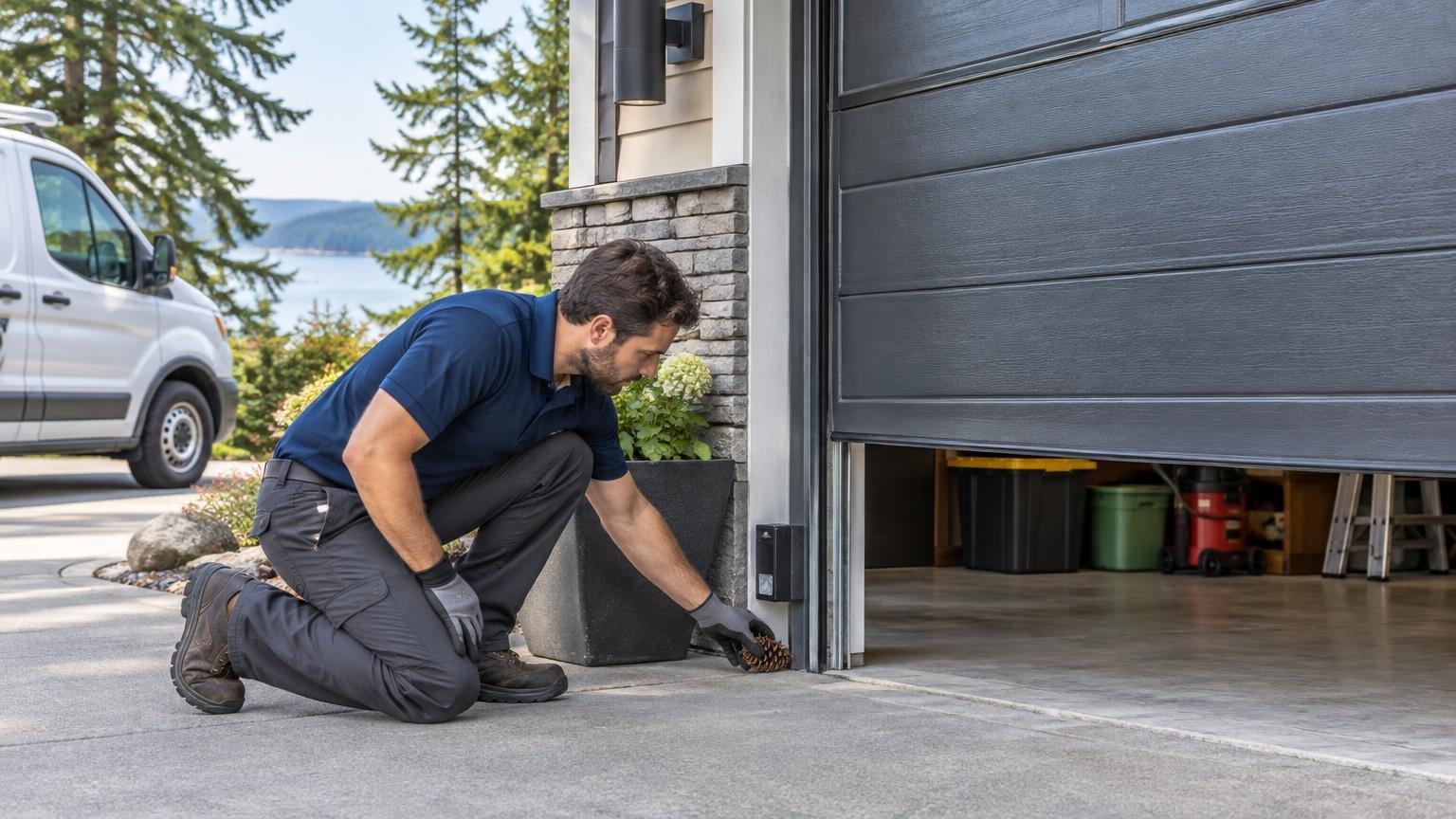
Most automatic garage doors have photo-eye safety sensors near the bottom of the tracks. These small devices must "see" each other across the doorway. If something blocks that invisible beam, the opener may refuse to close the door or reverse after it begins moving.
Rainy October conditions can leave sensor lenses covered in mud splashes, cobwebs, leaf debris, dust, or water residue. A gentle wipe with a soft cloth may remove surface dirt. You can also look at the sensor lights, which should normally appear steady when the sensors are lined up and working correctly.
Common problems we see around safety sensors include:
- Dirty or wet sensor lenses
- A bicycle, bin, or lawn tool bumping a sensor out of position
- Loose or damaged sensor wiring
- Flashing or unlit sensor indicator lights
Avoid cutting, bypassing, or tampering with sensor wiring. These devices are there to help prevent injuries and damage. If the lights will not stay steady after a basic visual check, we recommend having the system inspected.
It is also worth looking along both tracks for wet leaves, small stones, sticks, loose hardware, or grime. Keep your hands away from moving parts, and never try to force a door that is binding. If the door looks uneven, comes off the track, or appears to scrape hard against the metal, stop using it until a technician can assess it.
Determine Whether the Opener Is Causing the Problem
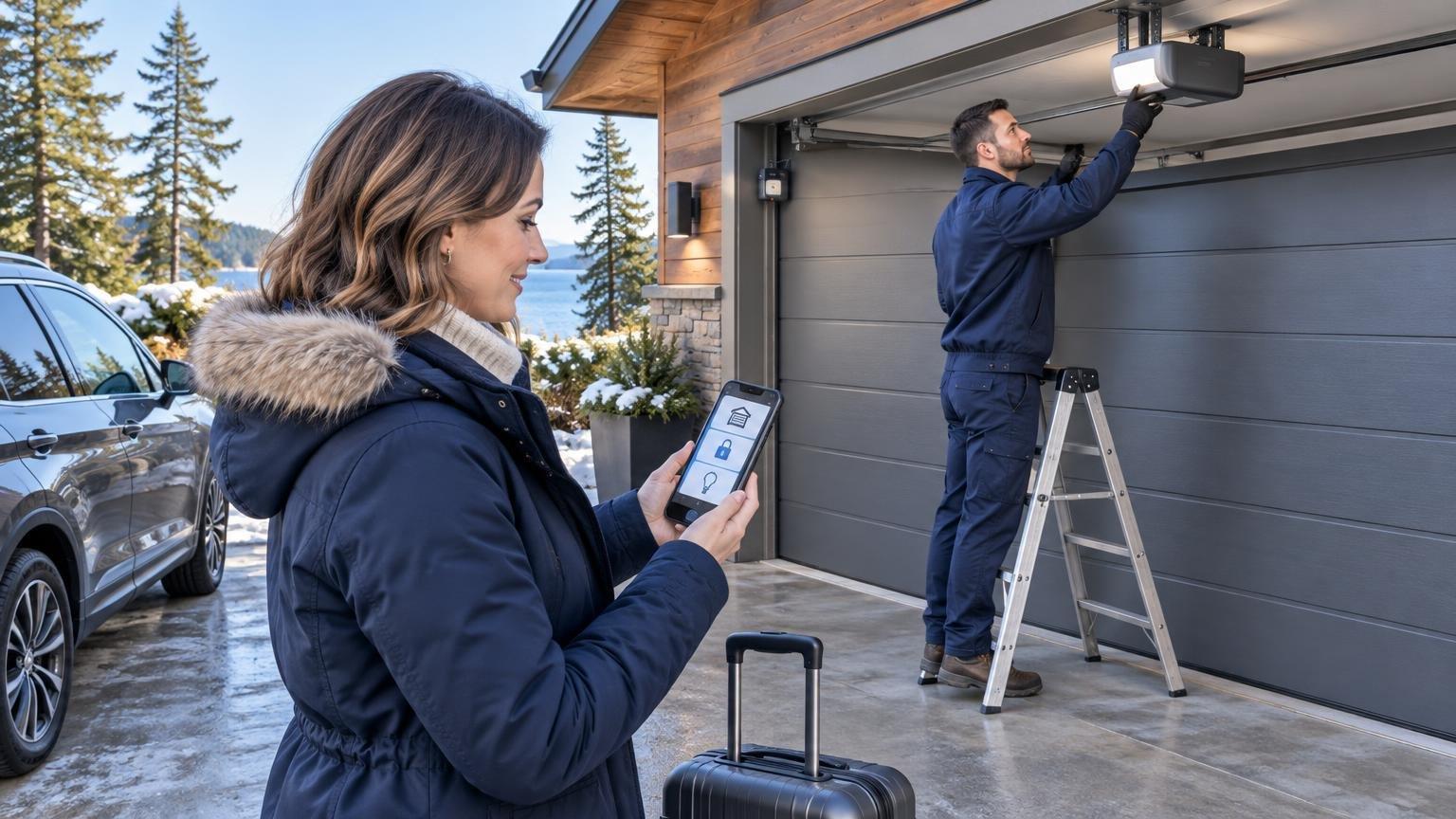
Sometimes the door is fine, but the opener is not receiving the right signal or is not completing its closing cycle. Testing the wall button and remote separately can help narrow things down. For example, if the wall button works but the remote does not, the issue may be a weak battery, remote programming problem, signal interference, or a locked wall control.
Travel limits can also cause trouble. The close-limit setting tells the opener when the door has reached the floor. If it is set incorrectly, the door may touch the ground and reverse, leaving a small opening. Seasonal changes can make this more noticeable as weatherstripping and moving parts react to cooler temperatures.
Signs that may point to an opener problem include:
- Humming without door movement
- Grinding or straining noises
- Flashing opener lights
- Intermittent operation
- A door that closes only while the wall button is held down
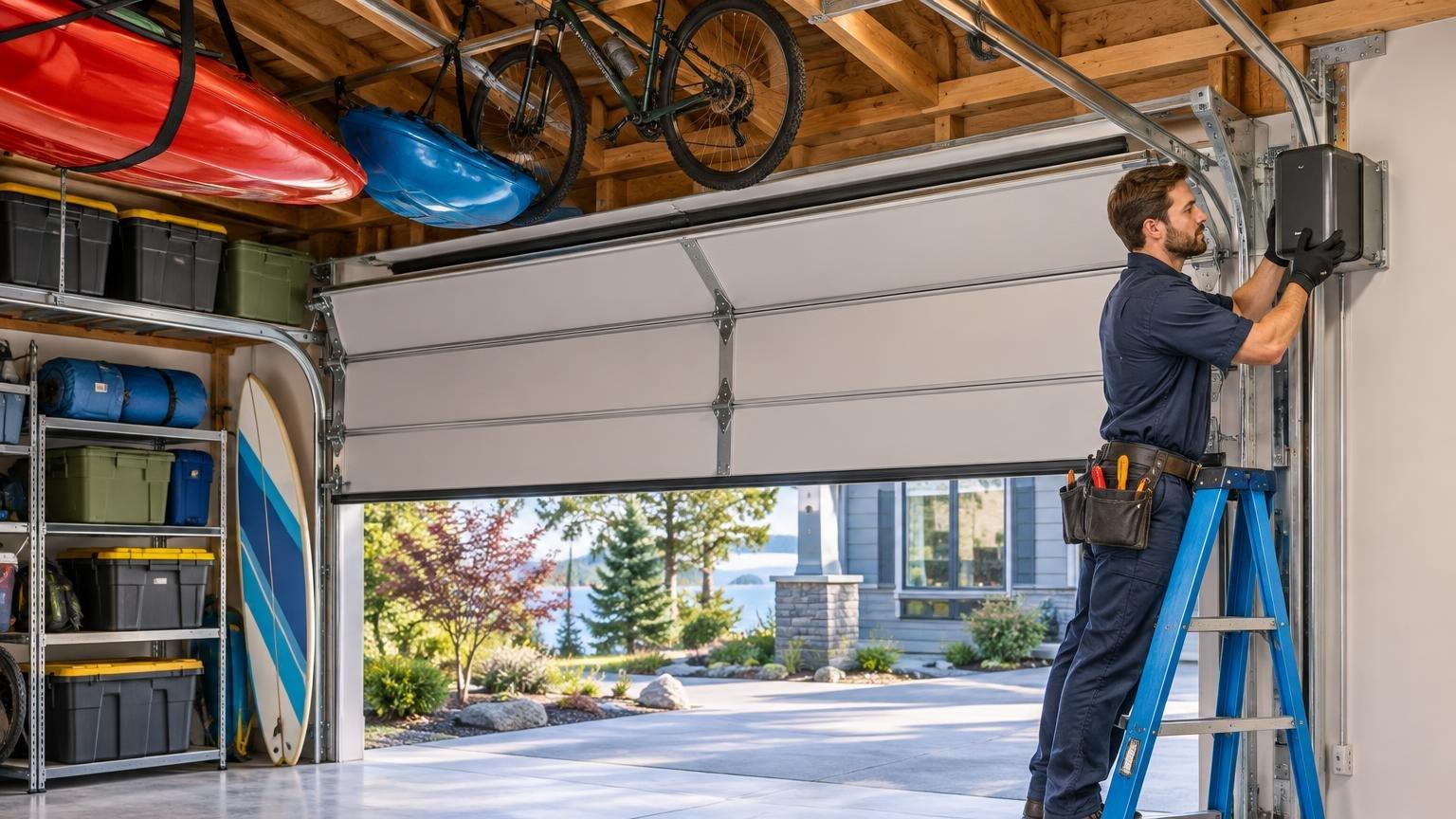
It may be tempting to increase the closing force, but that can make the situation worse. A stronger setting may push the door against a blocked track, damaged roller, or failing part instead of addressing the actual problem. Internal gears, circuit boards, travel settings, and ongoing reversing issues are best handled through professional opener service.
Watch for Worn Springs, Cables, and Rollers
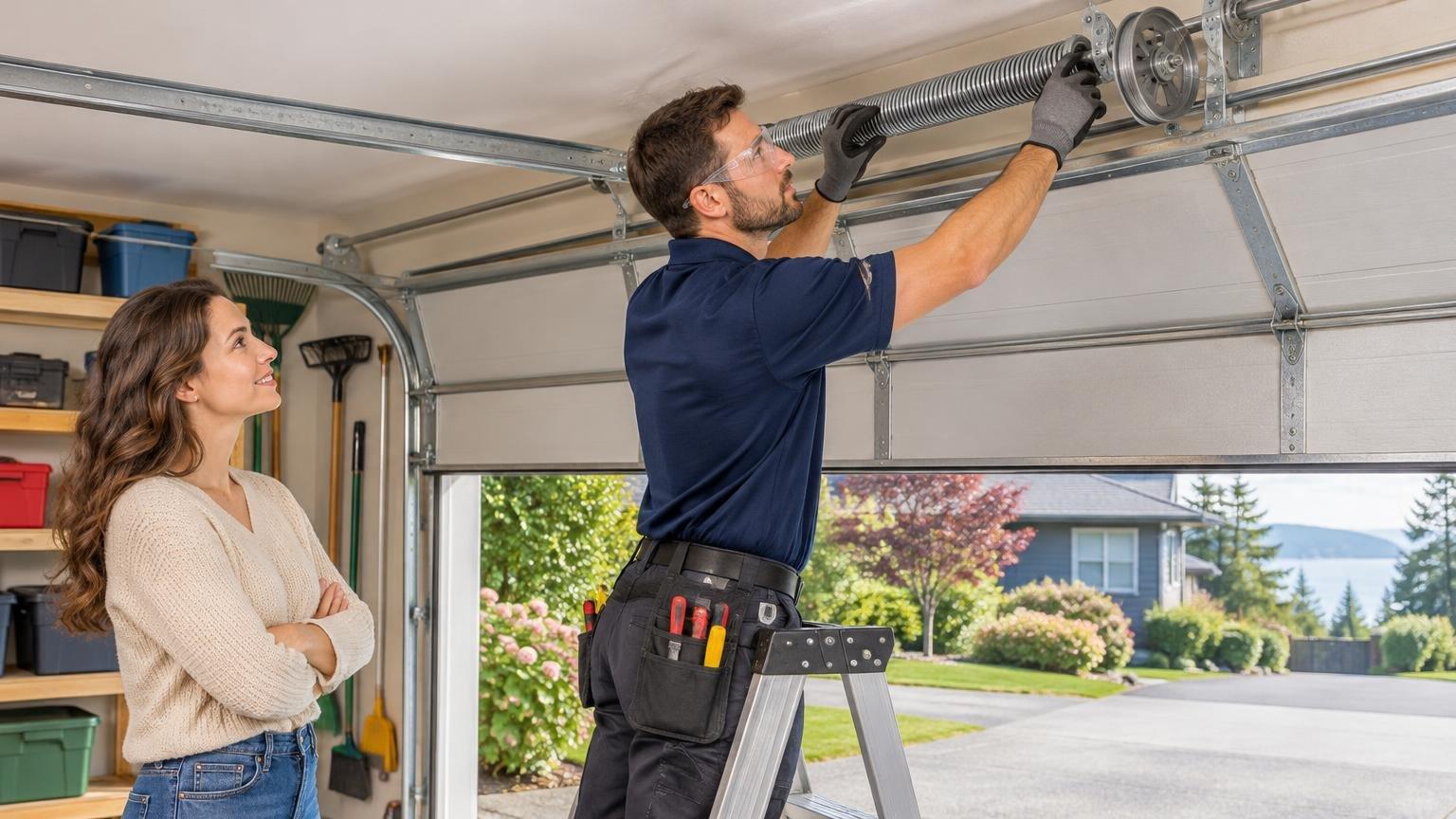
Garage door springs carry most of the door's weight. Cables, rollers, hinges, and tracks help guide that weight as the door moves. When one of these parts wears out, the opener may struggle, the door may stop partway down, or one side may move differently from the other.
A broken or failing spring can make a door feel extremely heavy. You may also hear a loud bang in the garage, notice a visible gap in a torsion spring, or hear the opener hum without being able to move the door. Springs are under extreme tension and should only be replaced by trained technicians using the proper tools and procedures.
Wet conditions on Vancouver Island can add to wear on older hardware. Frayed cables, cracked rollers, bent hinges, loose cables, and worn bearings can lead to jerky movement, scraping, rattling, or a crooked door. If a cable has come off its drum or the door is hanging unevenly, continued operation can bend tracks, damage the opener, or allow the door to fall unexpectedly.
Prevent Rainy Season Garage Door Problems
Regular care can help reduce closing problems before winter weather settles in. We recommend keeping the area around the tracks and photo-eye sensors clear of leaves, dirt, gravel, and stored items. A clear doorway gives the door and its safety system the space they need to work properly.
Take a look at the bottom weather seal as well. Cracks, flattened sections, or gaps can allow rainwater, drafts, pests, and debris into the garage. Worn weatherstripping can also make a door seem to sit unevenly at the floor.
Listen for changes during normal operation. Squealing, grinding, popping, rattling, or straining sounds can point to worn rollers, hinges, bearings, or springs. Garage door-approved lubricant may be suitable for certain moving metal parts, while tracks should generally be kept clean rather than heavily lubricated.
For doors that see frequent use, including commercial doors, professional maintenance can catch issues early. During an inspection, a technician can check balance, spring tension, cable condition, track alignment, hardware, seals, and opener safety features.
Reliable Garage Door Service in Mill Bay
A garage door that will not close properly deserves prompt attention when it affects security, weather protection, or safe access to your property. Stop operating the door if it is off track, unusually heavy, visibly damaged, or making severe noises.
For Mill Bay homes and businesses, diagnosis, repair, spring replacement, opener service, and maintenance may be needed depending on the cause of the problem. Addressing a small closing issue before winter can help prevent a larger repair when rain and cold weather make a dependable garage door even more important.
Restore Reliable Garage Door Operation
If you need help with a garage door won't close in Mill Bay, Garage Door Doctor Canada is ready to assess the issue and recommend the right repair. We provide clear guidance and dependable service for residential and commercial doors. Contact us to arrange an appointment.