Keep Your Duncan Garage Drier, Warmer, and Better Protected
Garage door weatherization in Duncan helps keep rain, cold air, leaves, and unwanted pests from finding their way into your garage. As autumn rain and wind pick up across Vancouver Island, small gaps around a garage door can quickly turn into damp floors, chilly rooms, and damage to stored belongings.
A well-sealed door can better protect vehicles, tools, flooring, boxes, and anything stored close to the threshold. It can also make an attached garage feel less drafty, which may help keep nearby rooms more comfortable. With more than 30 years of local experience, we understand the kinds of weather-related garage door issues Duncan property owners can face, including urgent problems that need 24/7 support.
What Garage Door Weatherization in Duncan Includes
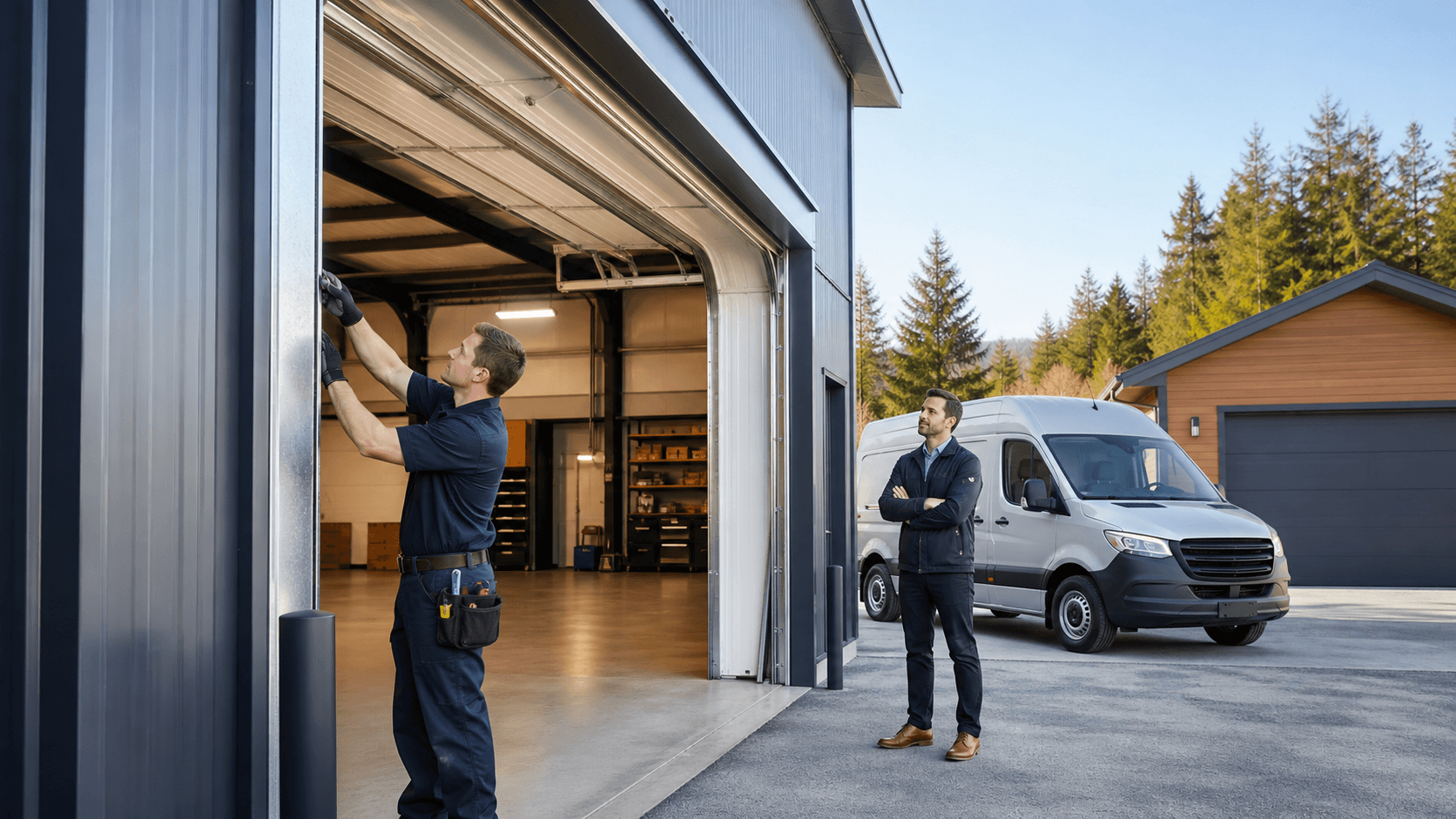
Weatherization is more than attaching a strip of rubber to the bottom of a door. We start by looking at the full door system to find where air, water, debris, or pests may be getting through. A door that is out of alignment or not closing evenly can leave openings even when the weatherstripping itself looks fine.
During an assessment, we may inspect:
- The bottom seal where the door meets the garage floor
- Side and top weatherstripping around the door opening
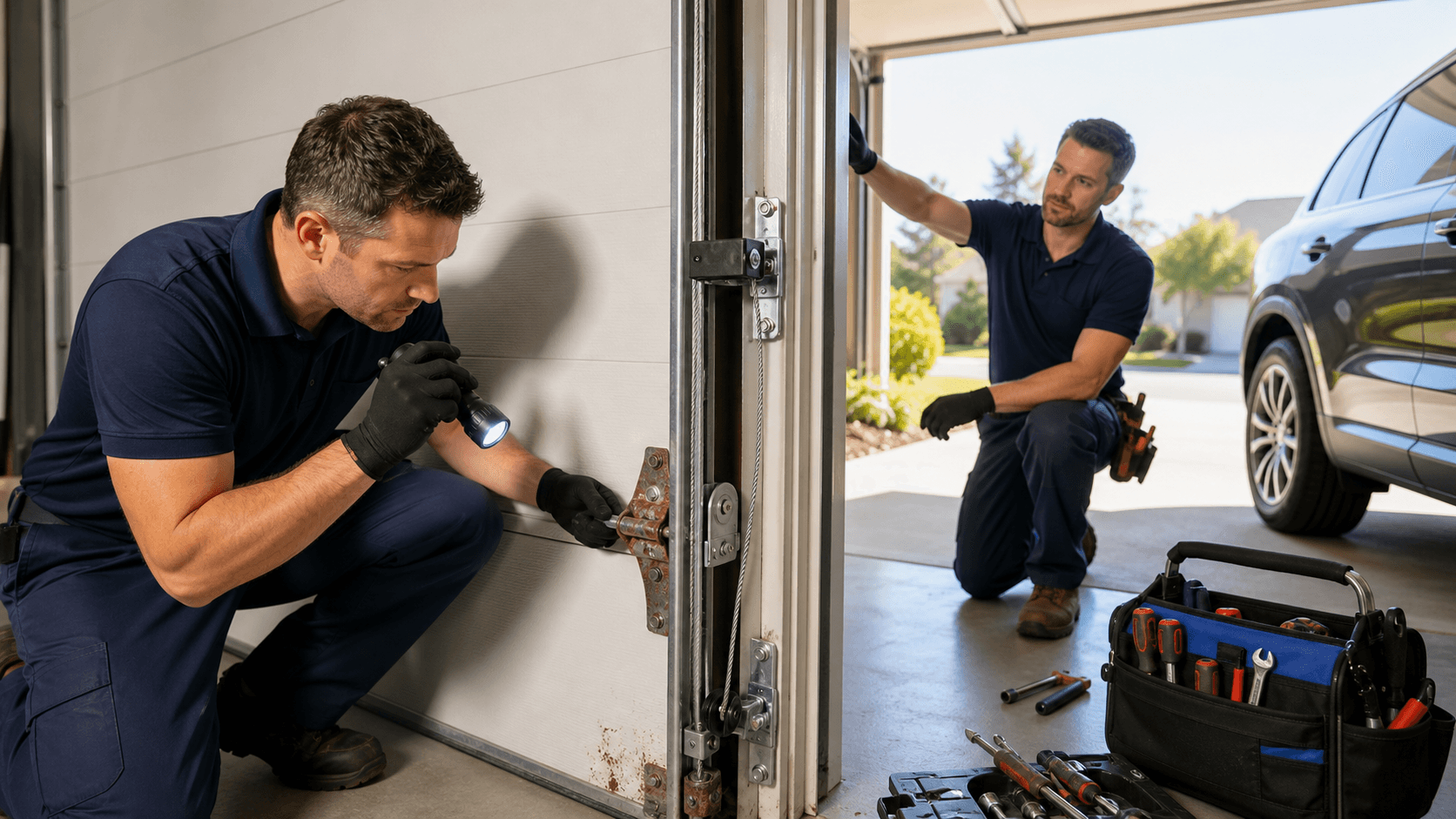
- Door alignment, tracks, hinges, panels, and rollers
- Visible gaps, uneven closing, or signs of water entry
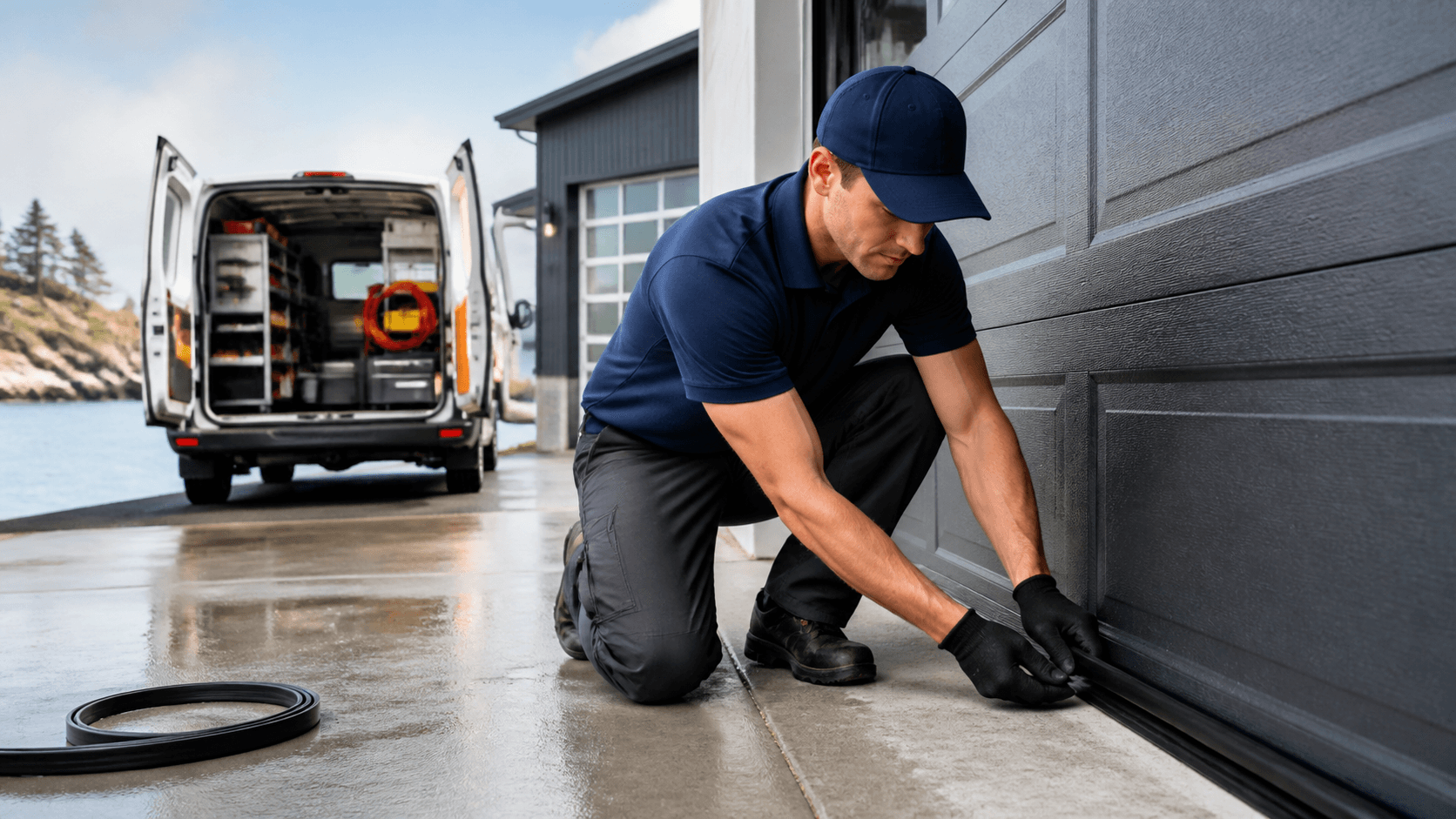
Depending on what we find, garage door weatherization in Duncan may include replacing worn bottom seals, fitting new perimeter weatherstripping, or adjusting the door so it closes more evenly. If the door cannot sit properly against the opening, sealing materials alone may not solve the problem.
Sometimes, a weatherization inspection points to a related repair need. Damaged panels, worn hinges, track concerns, weakened springs, or an opener that does not close the door fully can all affect how well the garage stays sealed. Addressing those issues helps create a more dependable result instead of covering up a larger problem.
Signs Your Garage Door Needs Better Sealing
Many sealing problems are easy to spot once you know what to look for. Daylight shining around the edges of a closed garage door is a clear sign that there is space for drafts and rain to enter. Rubber seals can also become cracked, brittle, flattened, or loose over time.
Other common signs include:
- Puddles or dampness near the garage threshold after rain
- Leaves, dirt, or wind-blown debris inside the garage
- Insects or rodents getting in around the door
- A musty smell, condensation, or damp cardboard near the entrance
- Colder rooms beside or above an attached garage
Not every issue is obvious on a dry, calm day. We recommend paying attention after heavy rain or strong winds, when leaks and drafts are often easier to notice. Water may travel beneath the door, while wind can expose openings along the sides or top.
A sudden rise in heating use can also be worth investigating when the garage is attached to the home. While a garage door seal is only one part of the building envelope, unwanted airflow from the garage can make nearby spaces less comfortable. A professional inspection can help identify whether the door is contributing to the problem.
Why Fall Is Ideal for Garage Door Weatherization in Duncan
Early fall is a sensible time to inspect the garage door before wetter, windier weather becomes more frequent. September and October can bring the kind of rain that reveals a tired bottom seal or a door that no longer sits squarely in its opening.
Moisture, fallen leaves, changing temperatures, and regular use can all add wear to garage door components. Leaves and debris around the threshold can interfere with the seal, while repeated opening and closing may make an existing alignment issue more noticeable. When a door is not balanced or moving smoothly, it may not close evenly enough to keep water out.
Handling these concerns before winter can help reduce the chance of finding water inside the garage during a storm. It also gives us an opportunity to spot door issues that could affect daily access when the weather is poor. For businesses, a garage door that closes properly can be especially important for keeping work areas, stored equipment, and deliveries better protected.
What to Expect During a Professional Service Visit
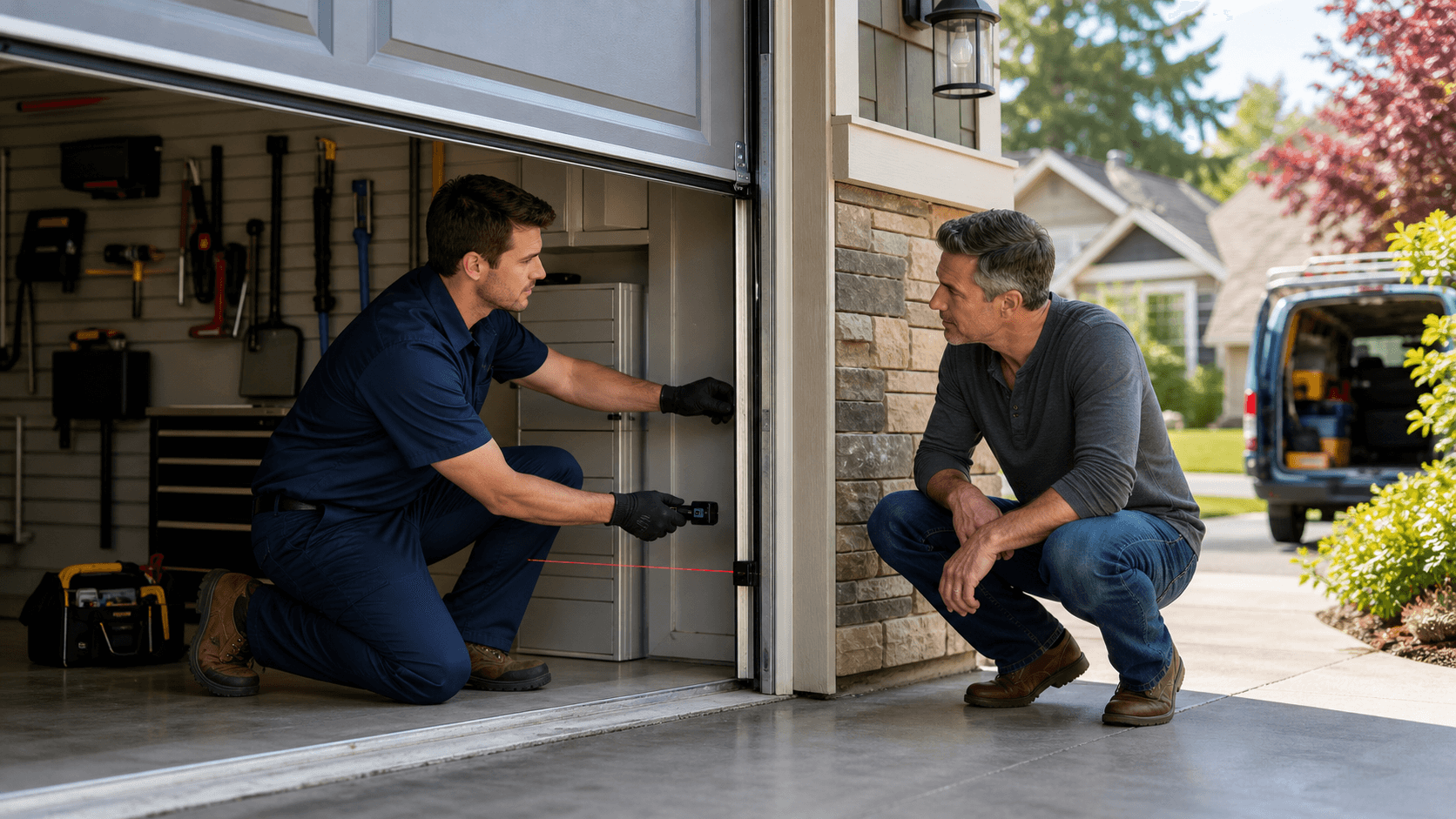
A professional weatherization visit begins with a close look at the door and the opening around it. We check the condition of the seals, how the door moves, whether it sits evenly when closed, and whether there are visible signs of water or air getting inside. We also look at key operating and safety components that may affect the door's ability to close properly.
The right solution depends on the door's age, material, condition, and how often it is used. A residential garage door that opens a few times a day may need different attention than a commercial door that sees frequent traffic. Rather than applying the same fix to every door, we recommend services based on what the inspection shows.
Good weatherization improves the seal around a properly functioning garage door. However, large gaps, damaged sections, bent tracks, failing springs, or an opener problem may require repair or replacement before the door can close as intended. Taking care of the underlying issue helps the weatherization work better and last longer.
Prepare Your Garage Before Heavy Rain Arrives
A fall inspection can help you catch worn seals, closing problems, and water entry before they cause more trouble. Keeping the garage better sealed may protect stored belongings, limit drafts, discourage pest entry, and reduce avoidable wear on the door system.
Across Vancouver Island, we provide garage door weatherization, repair, maintenance, installation, spring replacement, opener service, and 24/7 emergency support for residential and commercial properties.
Improve Comfort And Protect Your Garage
If drafts, moisture, or temperature swings are affecting your garage, Garage Door Doctor Canada can help identify practical solutions for your property. Explore our garage door weatherization in Duncan services to get started. For a tailored recommendation or to book an appointment, contact us today.