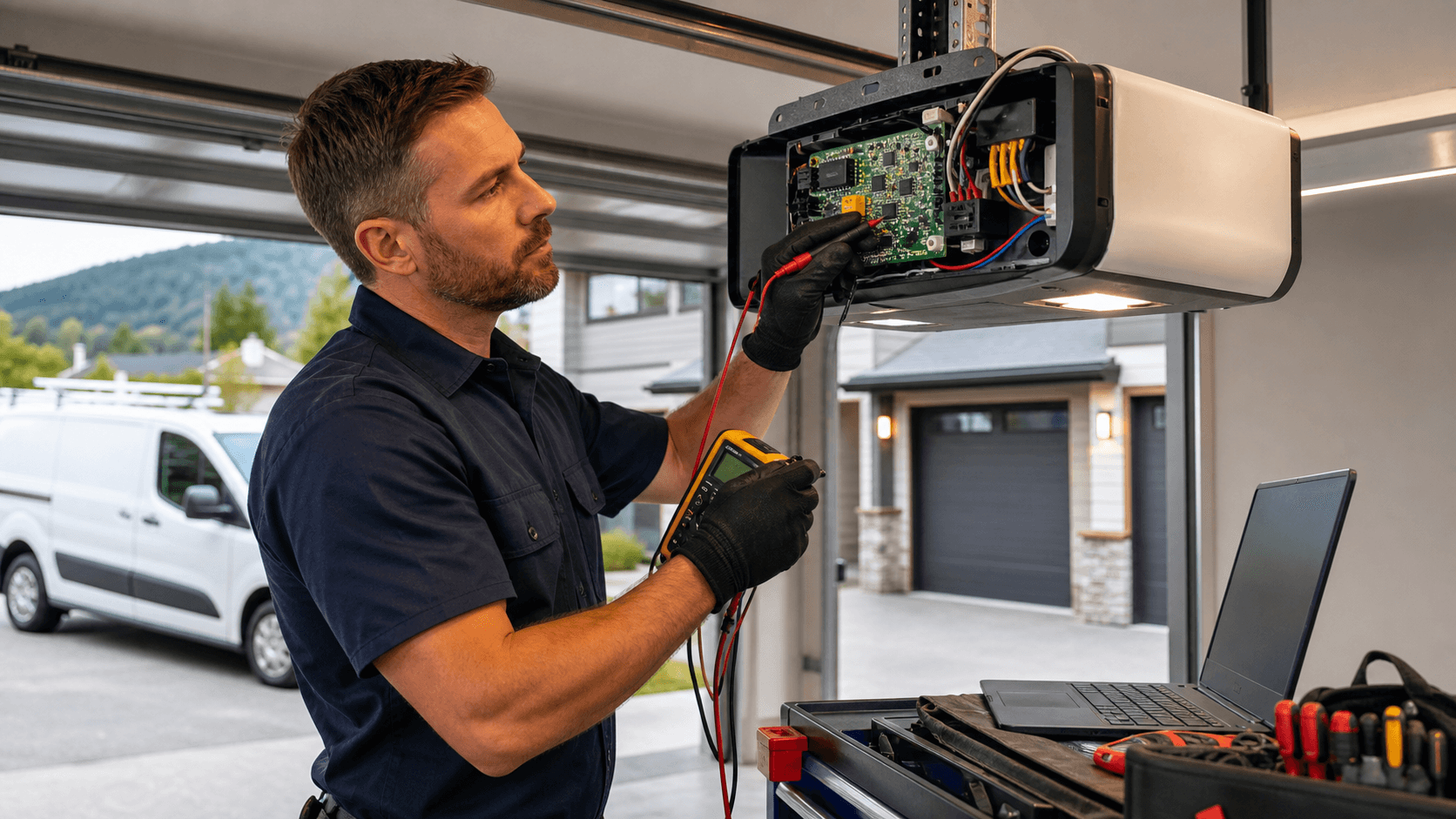
A garage door logic board is the control centre inside your opener. It receives signals from your remotes, wall button, keypad, and safety sensors, then tells the motor when to open, close, stop, or reverse. When that board starts failing, your whole garage access system can seem unreliable.
For Ladysmith homeowners, that can quickly interrupt daily routines. During summer, many families use the garage often for vehicles, bikes, camping gear, gardening tools, and seasonal storage. A proper assessment can help identify whether the issue is truly a garage door logic board in Ladysmith or another opener problem that looks similar.
Recognize the Warning Signs
Logic board trouble does not always cause a complete opener shutdown. Sometimes the door works one moment and ignores you the next. Intermittent behaviour is often what makes these issues frustrating, especially when the door needs to open before work or close securely at night.
Common signs that may point to an opener control issue include:
- The opener clicks or hums but the door does not move
- The door opens, closes, or reverses without a clear reason
- The wall button works only sometimes
- Remotes stop responding even after their batteries are replaced
- The opener light flashes, stays on, or blinks in an unusual pattern
Many newer openers use LED lights or display codes to report faults. If you notice a repeating flash pattern, it helps to make a note of it rather than pressing the opener repeatedly. That pattern can help narrow down whether the concern involves the sensors, wiring, motor, or control board.
Erratic door movement should not be brushed aside. A door that reverses unexpectedly, stops partway, or will not close can create a safety concern and leave your home less secure. If your garage door is stuck open or cannot be secured, prompt professional attention is the safest choice.
Rule Out Problems That Look Similar
A non-working opener does not always mean the logic board has failed. Several smaller issues can create almost identical symptoms, which is why the full system should be tested before recommending a repair or replacement.
Power is one of the first areas to consider. You can safely observe whether the opener is plugged in, whether the outlet has power, or whether a breaker or GFCI outlet has tripped. Electrical repairs beyond these simple checks should be handled by a qualified technician.
Safety sensors are another common source of trouble. These small devices sit near the bottom of the garage door opening and help prevent the door from closing when something is in its path. Late-summer dust, cobwebs, loose wiring, direct sunlight, or misaligned sensor lenses can all interfere with their operation.
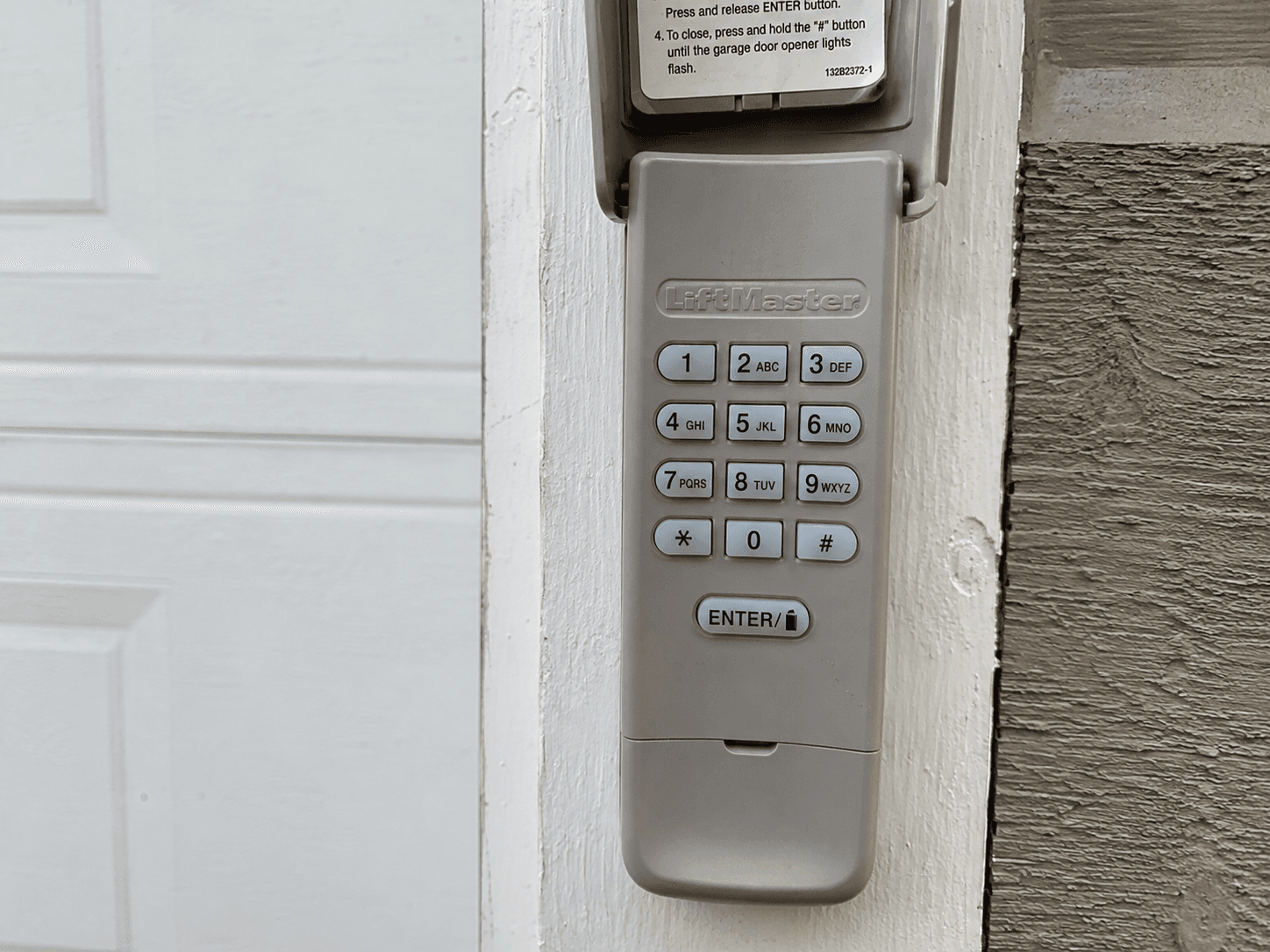
Remote controls, keypads, and wall buttons may also be part of the issue. Weak batteries, lost programming, radio interference, or damaged control wiring can make a healthy opener appear faulty. Each part should be tested in order, so a functioning opener or garage door component is not replaced without a clear reason.
Understand What Can Damage a Logic Board
Logic boards contain sensitive electronic parts. Like other electronics in your home, they can be affected by sudden power changes. Electrical surges, outages, and interruptions may damage a board immediately, or they may create a problem that becomes noticeable later. Where compatible with the opener manufacturer's requirements, a suitable surge protector may help reduce this risk.
Ladysmith's coastal conditions can also contribute to gradual wear. Moisture, changing temperatures, dust, and insects may affect electrical connections over time. Warm garage temperatures in August can bring an existing weakness in an aging opener system to the surface.
Age matters as well. Components inside an opener, such as relays, capacitors, wiring connections, and circuit-board parts, can wear down over time. When assessing a garage door logic board in Ladysmith, it is important to consider more than one symptom. The opener's overall condition, repair history, available parts, and the condition of the garage door itself can all affect the decision.
Choose Between Repair and Replacement
Replacing a logic board can be a sensible option when the opener motor, drive system, and safety features are still working well. In those cases, a new board may restore dependable operation without replacing the entire unit.
Replacement of the full opener may be the better long-term choice when the unit is aging, parts are no longer available, the motor is unreliable, or several components are showing wear. A newer opener can also provide features that older systems may not have, such as:
- Quieter operation
- Battery backup options
- Smartphone controls
- Improved security features
- Updated safety functions
Before making that decision, the full garage door system should be inspected. A door that is out of balance or has worn springs, cables, or rollers can place extra strain on an opener. Confirming proper door operation helps protect a repaired or newly installed opener from preventable stress.
Keep Your Garage Access Reliable
Inconsistent opener behaviour rarely improves on its own. Addressing the problem early can help prevent inconvenient lockouts, protect home security, and limit further strain on the opener system. A professional assessment is especially important when the door will not close, opens on its own, or behaves unpredictably.
Careful diagnostics can distinguish a logic board concern from sensor, wiring, remote, power, motor, or door-balance issues. Understanding the source of the problem helps ensure that repairs or replacement decisions are based on the condition of the complete garage door system.
Get Clear Answers for Your Garage Door Repair
Garage Door Doctor Canada can assess your system and recommend practical next steps for reliable operation. Explore our garage door logic board in Ladysmith service for professional repair support. If you have questions or would like to book an appointment, contact us today.