Keep Your Garage Door Safe in Every Season
A garage door works quietly in the background, but it is one of the largest moving parts in any home or business. On Vancouver Island, salt air, heavy rain, wind, and shifting temperatures all team up to wear it down faster than many people expect. Rust, swollen wood, and loose hardware can build up slowly until something suddenly fails.
A seasonal garage door inspection helps keep your door safe, secure, and reliable before the next big storm hits. It can prevent your car from getting stuck inside, protect your belongings from water, and reduce the chance of a door coming down too hard or going off track. With a simple checklist and a clear sense of when to bring in a professional, you can stay ahead of problems instead of reacting to them.
At Garage Door Doctor Canada, we like to keep things simple. We will walk through what to look for in spring and summer, how to get ready for fall and winter, what coastal wear really looks like, and when a DIY check is no longer enough for your safety.
Spring and Summer Inspection Essentials
When the weather starts to warm up and things dry out, it is a good time to see what winter and early spring have done to your garage door.
Start with a basic visual and structural check:
- Rust on tracks, hinges, brackets, and fasteners
- Warped or swollen wooden door panels from damp air
- Peeling paint or finish that leaves wood exposed
- Cracked, brittle, or missing weatherstripping around the frame
If you see large gaps, sagging panels, or rust that flakes off easily, that is a sign the door may need more than a quick wipe.
Next, pay attention to balance and basic operation. Stand inside with the door closed and:
- Open and close the door while you watch from a safe distance
- Listen for grinding, squealing, or banging sounds
- Watch for jerking, uneven lifting, or the door drifting to one side
Test the auto-reverse feature by placing a piece of wood on the floor under the door, then closing it. The door should touch the object and reverse back up. If it does not, unplug the opener and leave it alone until a technician can check it.
Light cleaning and lubrication also help your system get through the drier months. Many homeowners like to:
- Gently wipe the inside of the tracks to clear dirt and salt dust
- Clean metal parts with a soft cloth to remove salt residue
- Use a garage door lubricant on rollers, hinges, and springs
Avoid using heavy grease or household oils. If you are not sure what product is right, it is safer to ask a pro before spraying anything on springs or tracks.
Fall and Winter Storm-Ready Checklist
As storms and colder air start to roll in, your focus shifts to keeping drafts, water, and wind outside where they belong.
Weatherproofing is a big part of a fall garage door inspection. Check:
- The bottom seal for cracks, flat spots, or missing sections
- Side and top weatherstripping for gaps where you can see light
- Areas where wind-driven rain might sneak through
If you feel cold air or see daylight around the edges, that opening also invites rodents and insects. Replacing worn seals before the worst weather hits helps keep the garage more comfortable and can ease the load on your heating system.
Moisture is another concern. After a stretch of rain, watch for:
- Rust forming on springs, cables, and lower sections of track
- Water pooling near the threshold or around the corners
- Dark spots, soft wood, or musty smells that could point to mould or rot
Catching these early is much easier than dealing with rotten framing or a corroded spring that snaps later on.
Fall is also a smart time to think about power outages and safety. Test the manual release by pulling the red cord on the opener with the door closed. You should be able to lift the door smoothly by hand without it racing up or crashing down. Also:
- Make sure your opener is plugged into a surge-protected outlet if possible
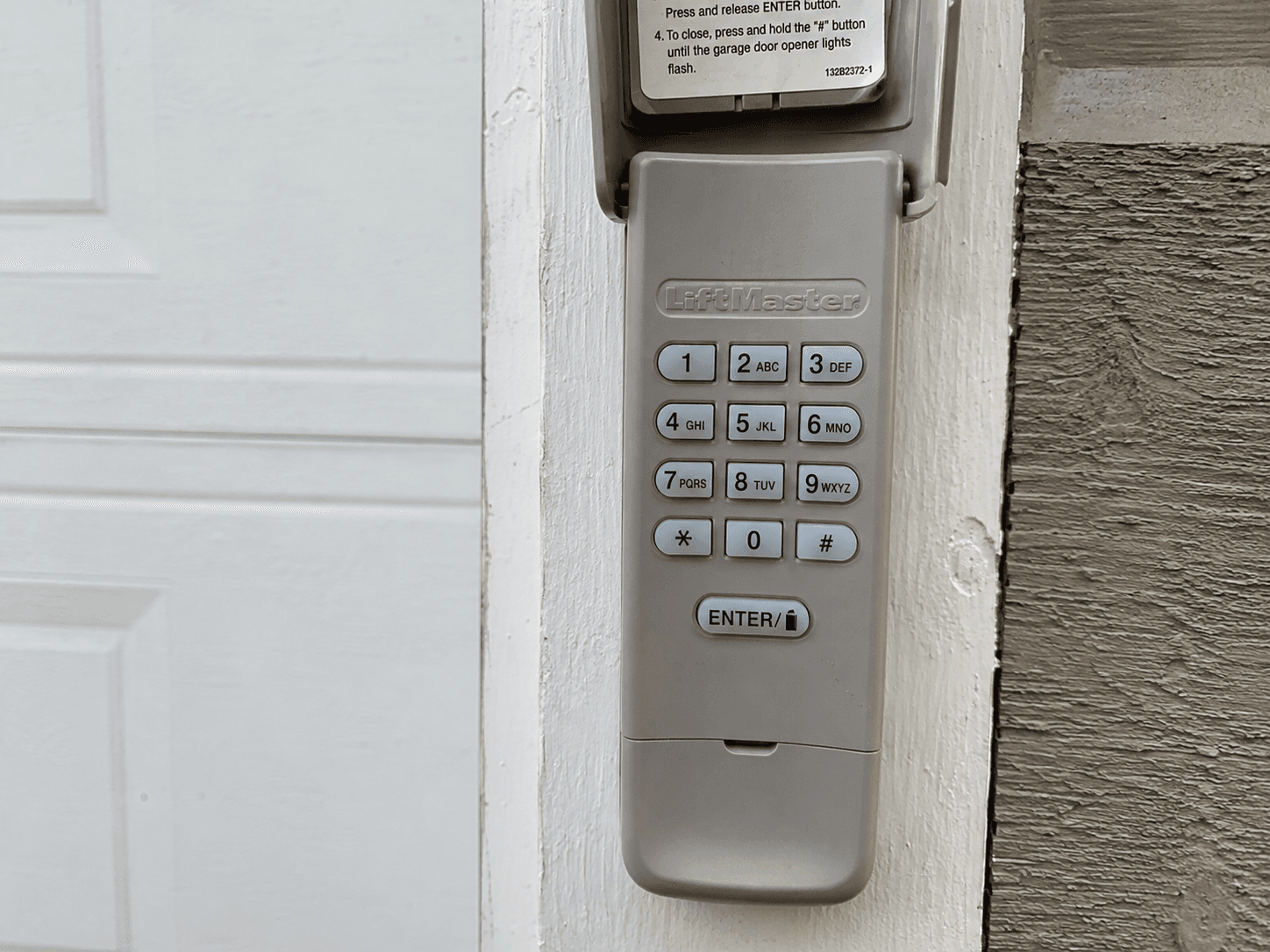
- Check and replace batteries in remotes and exterior keypads
- Keep a flashlight handy near the interior garage entry door
If the door feels heavy or wants to slam shut when operated by hand, stop there and have a technician inspect the springs and balance.
Coastal Climate Wear: What to Watch For
Living near the ocean is great, but salt air is tough on metal. Salty moisture in the air speeds up rust on:
- Springs and cables
- Tracks and fasteners
- Hinges, brackets, and other small hardware
Regular visual checks help spot rust before it turns into deep pitting or weak spots. When metal parts start to thin or flake, replacement is safer than waiting for a sudden failure.
Wind and rain also play a role. Repeated strong gusts can shake a door, strain hardware, and shift alignment over time. Saturated ground may cause slight movement in the structure around the opening. You might notice:
- New gaps along the sides or top of the door
- Weatherstripping that no longer seals tightly
- Louder operation, scraping, or rubbing sounds
Simple habits can help extend the life of your door in a coastal climate. Many Island property owners choose to:
- Wipe down exposed metal parts a few times a year
- Ask about corrosion-resistant components when replacing parts
- Book a professional garage door inspection at least once a year
That regular check gives someone trained in Vancouver Island conditions a chance to spot damage early and suggest small fixes before they become large repairs.
When a DIY Check Is Not Enough
There is a line between a quick look and a job that really needs a professional. Some safety red flags should never be ignored:
- A door that drops suddenly or slams shut
- Frayed, kinked, or broken cables
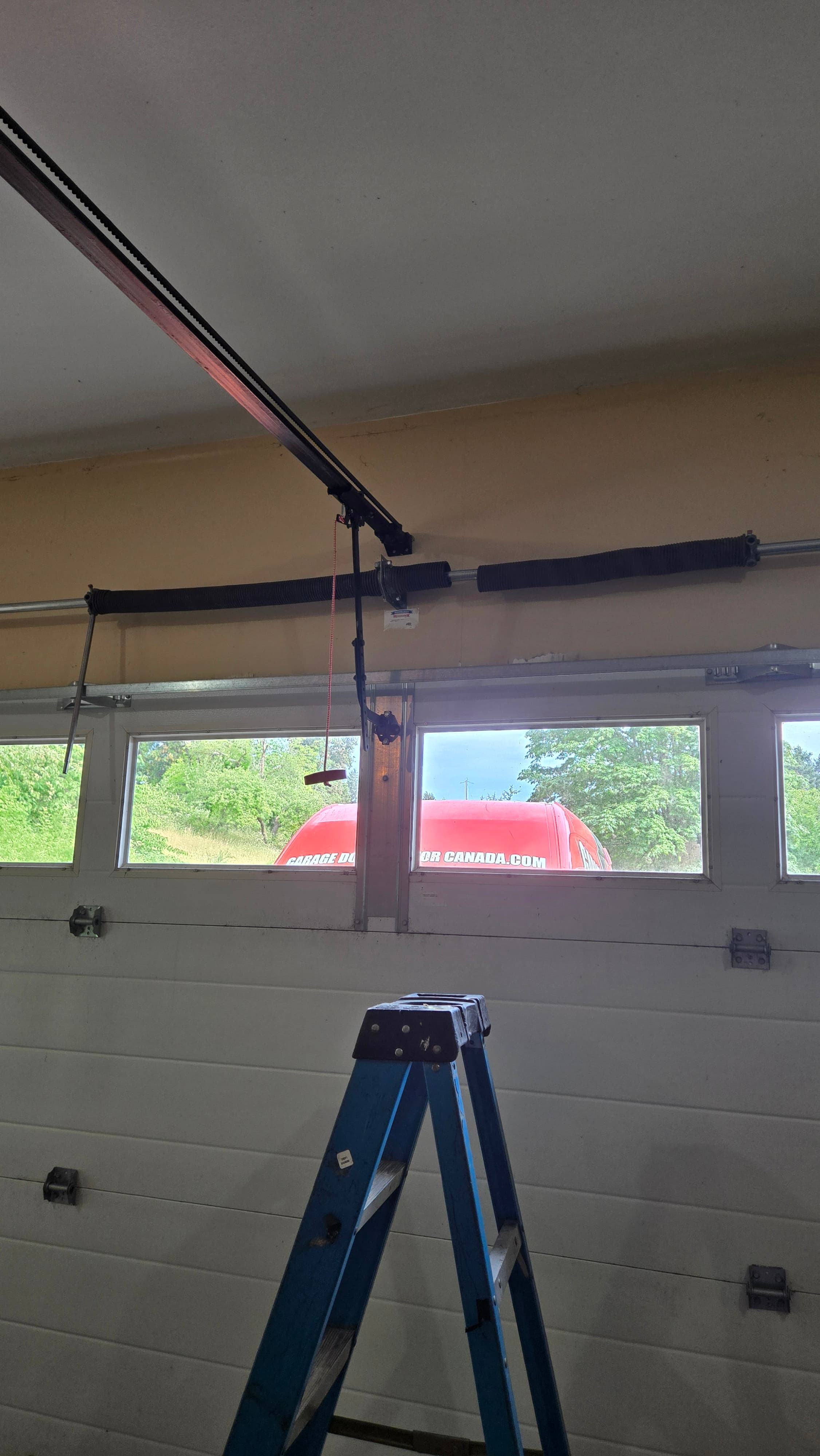
- Gaps or separation in the spring coils
- The door coming off track or hanging crooked
- Burning smells or smoke from the opener
If you see any of these, stop using the door and keep people and pets away from the opening.
The big danger with DIY repairs is the tension stored in springs and cables. Torsion springs are under heavy pressure, and even a small slip while trying to adjust them can cause serious injury or damage. Changing opener force settings without training can also make the door press too hard on people, pets, or vehicles.
A professional assessment is more than a quick look with a flashlight. When technicians from Garage Door Doctor Canada inspect a door, they can:
- Check spring balance and tension
- Look closely at cables, drums, hinges, and rollers
- Test opener safety systems, including auto-reverse and photo eyes
- Spot corrosion or wear that is easy to miss at a glance
They also understand how local salt, wind, and rain affect different doors and can suggest maintenance steps that fit Island conditions for both homes and commercial properties.
Book Your Seasonal Inspection with Local Pros
A simple seasonal checklist helps you catch the obvious things: rust, worn seals, strange noises, and uneven movement. Once you note what you see, the next step is deciding what you feel safe watching and what needs trained hands and proper tools.
Garage Door Doctor Canada is locally owned, licensed, and insured, and we work with residential and commercial garage doors across Vancouver Island. We know how coastal weather treats springs, cables, tracks, and panels, and we focus on keeping doors safe, reliable, and ready for whatever the next storm brings.
Protect Your Home With a Proactive Garage Door Checkup
If your door is noisy, slow, or just overdue for a routine look, now is the right time to schedule a professional garage door inspection. At Garage Door Doctor Canada, we carefully assess all key components so small issues do not turn into costly repairs or safety concerns. Reach out today and our local technicians will recommend the most practical next steps for your home. Have questions or prefer to book by message or phone first? Simply contact us and we will walk you through your options.