Restore Reliable Door Movement Before It Becomes an Emergency
Intermittent garage door movement is more than a nuisance. Your door may start up normally, pause partway, reverse without warning, or respond only after several remote clicks. For homes and businesses in Ladysmith, that can disrupt busy mornings, delay deliveries, and leave a garage less secure than it should be.
One possible cause is a worn gear inside the opener. The motor may still hum or run, but a damaged gear may no longer transfer enough power to move the door properly. We often find that these problems begin as occasional trouble, then become more frequent. Below, we explain why opener gears wear out, the signs to watch for, how damp Vancouver Island weather can reveal a hidden issue, and why a full system inspection matters.
Why Worn Opener Gears Lose Their Grip
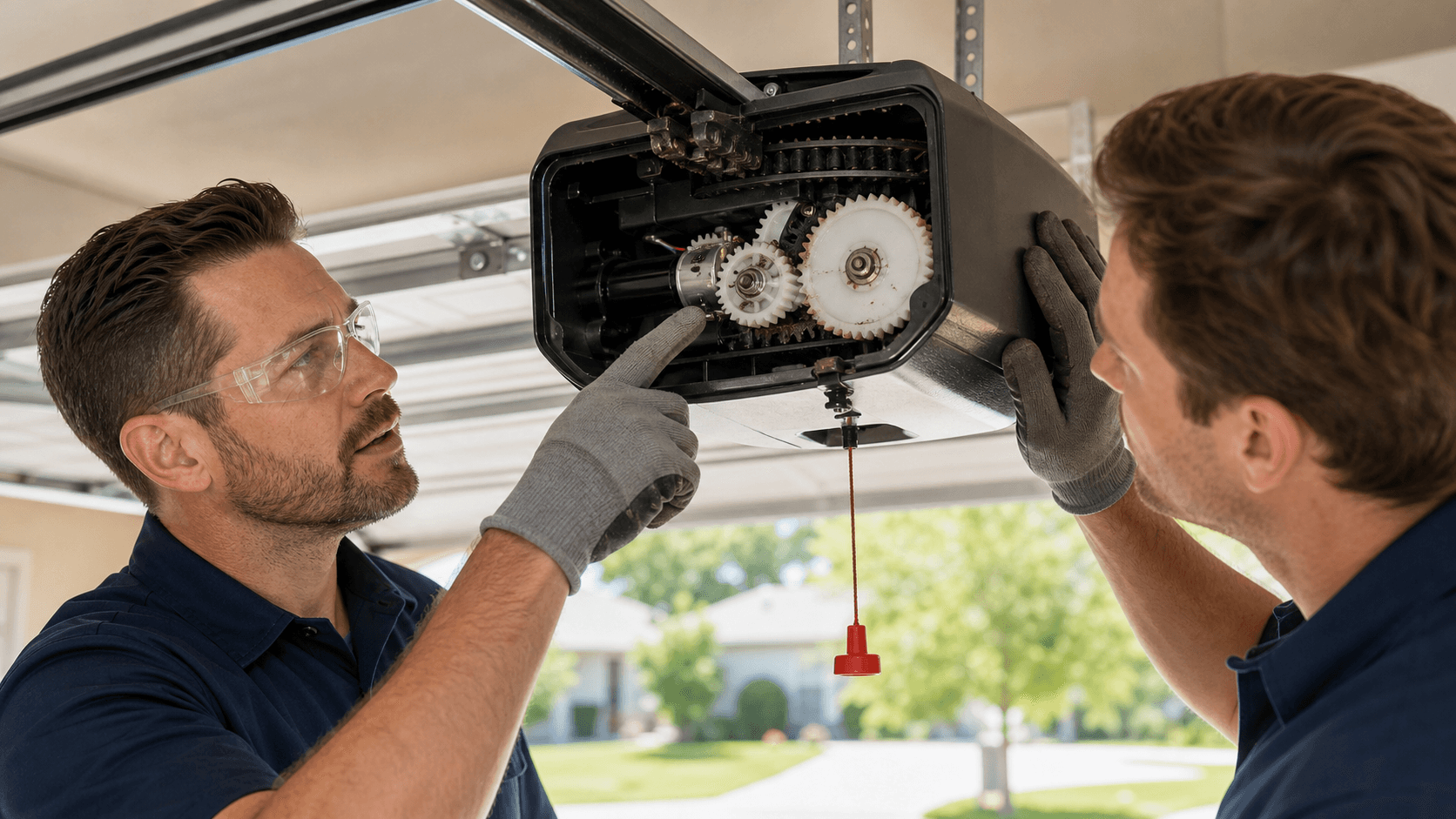
Inside many garage door openers, a main drive gear connects the motor to the chain, belt, or screw drive system. That gear helps turn the motor's power into the movement needed to lift and lower the door. When its teeth become cracked, worn smooth, or stripped, the connection becomes weak.
Age and daily use can slowly wear down this part. Extra strain speeds up the damage, especially when the garage door is too heavy for the opener to lift easily. A door with weak or poorly balanced springs can force the opener to do work it was never meant to handle.
Gear wear can be inconsistent at first. If only part of the gear is damaged, the opener may work during one cycle and struggle during the next. As the wear spreads, the door may stop partway, fail to move, or remain still while the motor continues running.
Warning Signs Point to Opener Gear Wear
A noisy opener is often one of the first clues. Grinding, clicking, humming, or a motor that runs without moving the door can all point to trouble inside the opener. These sounds do not always mean the gear is at fault, but they should not be ignored.
You may also notice a few visible signs around the opener unit:
- Fine plastic shavings beneath the opener housing
- A chain or belt that appears loose or behaves unevenly
- Door travel that changes from one use to the next
- A door that moves a short distance, then stops or reverses
It is best not to open the motor housing or attempt internal repairs without proper training. Similar symptoms can come from broken springs, damaged rollers, travel limit problems, safety sensor issues, or electrical faults. When providing garage door gear replacement in Ladysmith, we inspect the complete door and opener system to confirm what is causing the problem before any repair work begins.
Rain and Cooler Weather Can Reveal Hidden Gear Wear
Early fall weather on Vancouver Island can make an already strained garage door system less forgiving. Rain, cool mornings, and damp air may cause moving parts to operate less smoothly. A gear that was close to failing during dry weather may start slipping when the opener has to work harder.
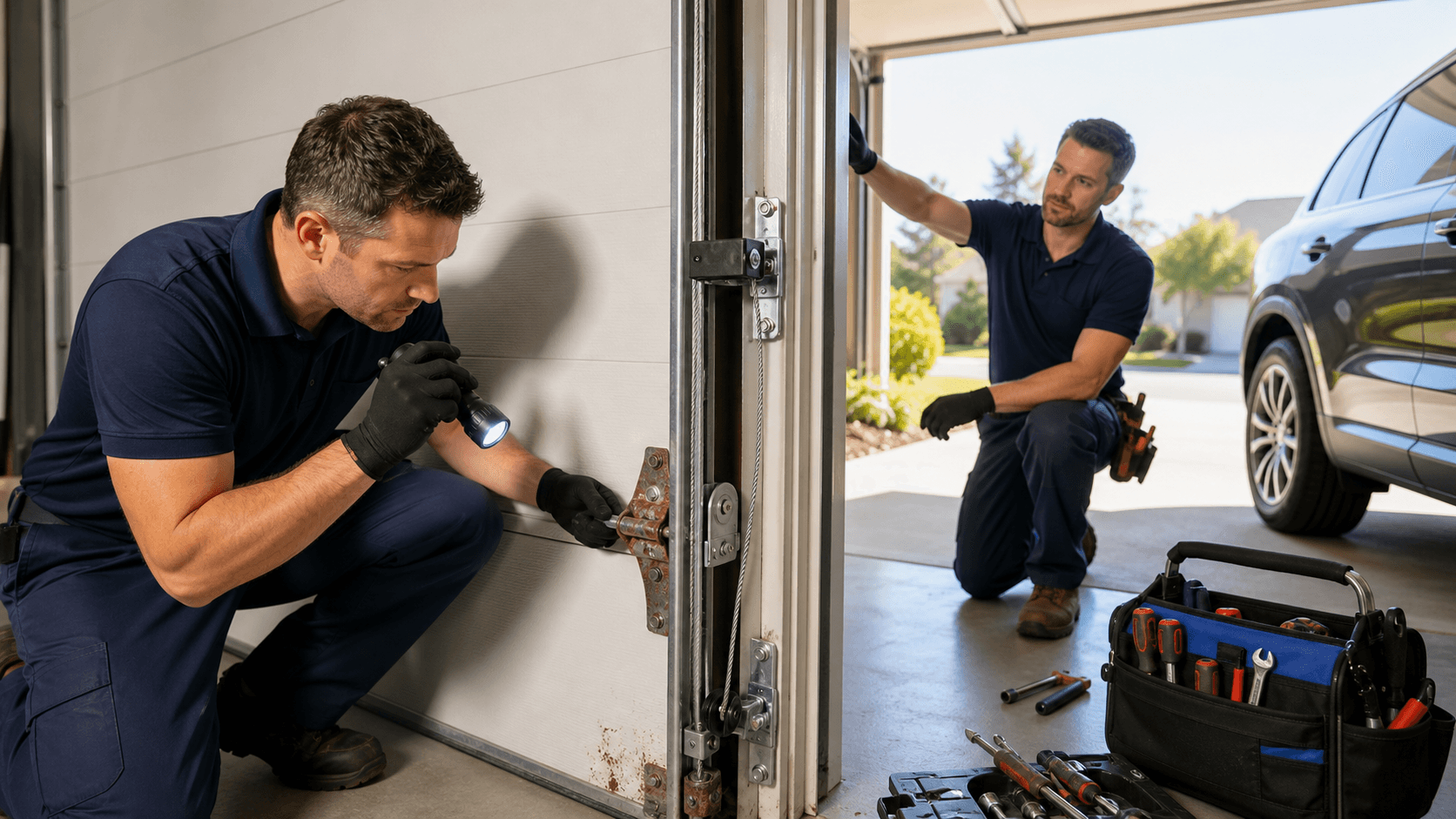
Moisture does not only affect the opener. Rusted hinges, dry rollers, debris in the tracks, and reduced lubrication can create resistance as the door moves. When the door does not travel freely, the opener takes on extra pressure, including pressure on its internal gears.
Before wetter weather settles in, we recommend having the system checked for concerns such as:
- Spring balance and overall door weight
- Roller, hinge, and track condition
- Safety sensor alignment and performance
- Opener travel limits and force settings
- Chain, belt, or screw drive operation
A properly balanced and maintained door helps reduce strain on the opener and can help prevent an inconvenient failure during the season.
Professional Replacement Protects Your Opener and Door
Replacing a worn gear should involve more than swapping one damaged part for another. Before installing a compatible replacement, we check why the gear wore out in the first place. If a door is heavy, unbalanced, binding in the tracks, or affected by a failing spring, a new gear may face the same strain.
Professional garage door gear replacement in Ladysmith includes examining the door balance, spring condition, track alignment, opener settings, drive system, and safety features. Once the repair is complete, the opener needs proper reassembly, travel limit adjustment, force testing, and safe operation checks.
Garage doors have heavy moving parts and high-tension springs. Trying to correct the problem without the right tools or experience can lead to injury, property damage, or further opener trouble. A full inspection helps protect both the replacement part and the door system it supports.
Understanding When Intermittent Movement Becomes a Safety Concern
Intermittent movement is often a warning that the door system is under strain. Continuing to operate a door that stops, reverses unexpectedly, or moves inconsistently can place additional stress on the opener and other components. If the door cannot be moved safely, avoid forcing it open or closed.
For Ladysmith homeowners and businesses, unusual opener sounds, inconsistent travel, and repeated stopping can indicate gear wear or another system problem. Recognizing these signs early helps prevent further damage and supports safer, more reliable door operation.
Restore Smooth, Dependable Door Performance
Garage Door Doctor Canada can assess the condition of your opener and recommend the right repair for your system. Explore our garage door gear replacement in Ladysmith service for clear guidance on addressing worn components. To arrange an inspection or discuss your door's operation, contact us today.