Broken Springs Do Not Have to Become Flying Hazards
A garage door spring holds a surprising amount of tension. After years of daily use, it can break without much warning, turning an ordinary trip to the garage into a safety concern. That risk matters when children, pets, vehicles, tools, or stored belongings are nearby.
For Ladysmith households, safety cables help limit the danger from a broken extension spring. They do not stop springs from wearing out, but they can help keep a failed spring from flying across the garage. A professional inspection is the safest way to identify the spring system and any worn parts around it.
How Safety Cables Contain Extension Springs
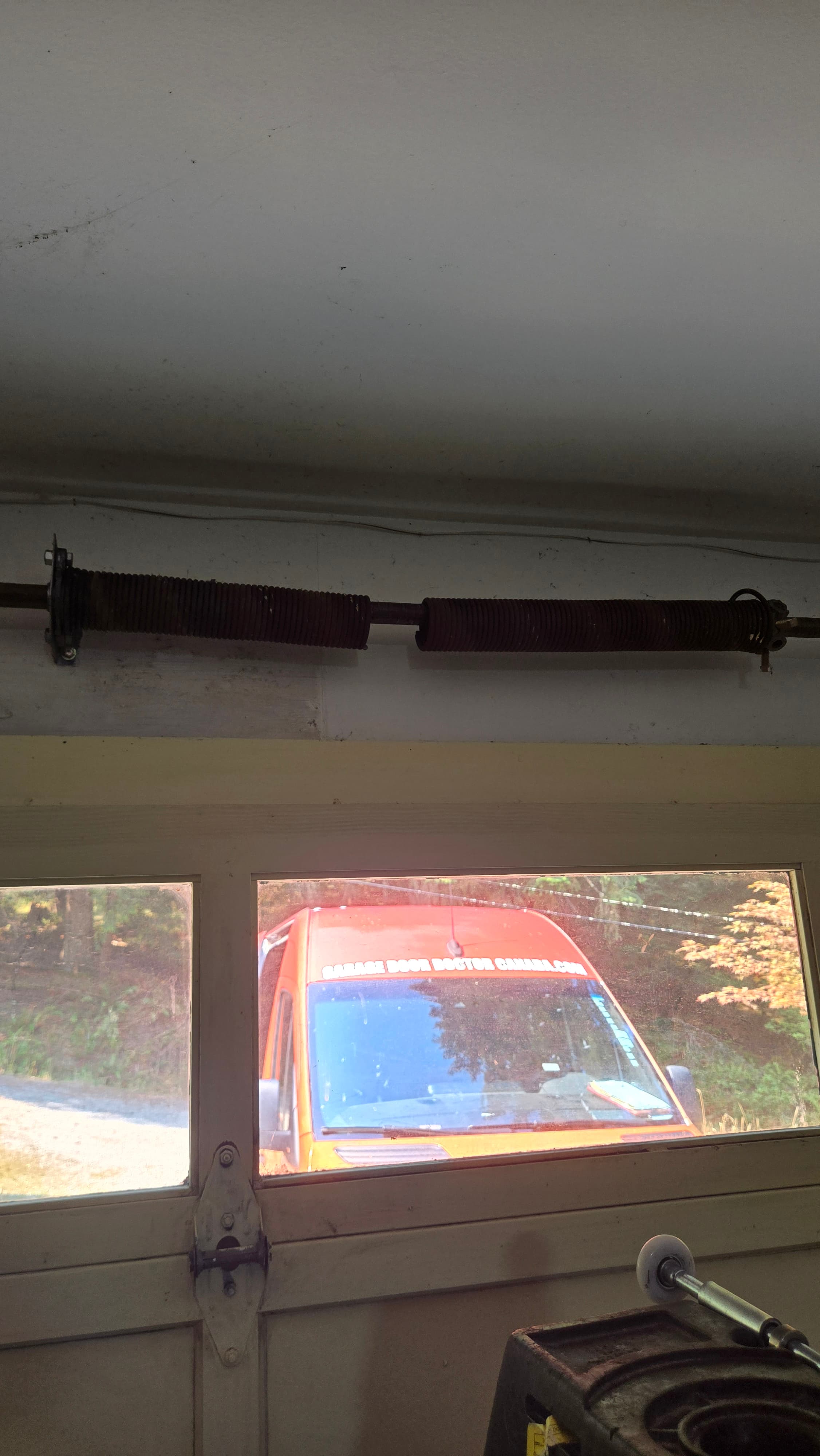
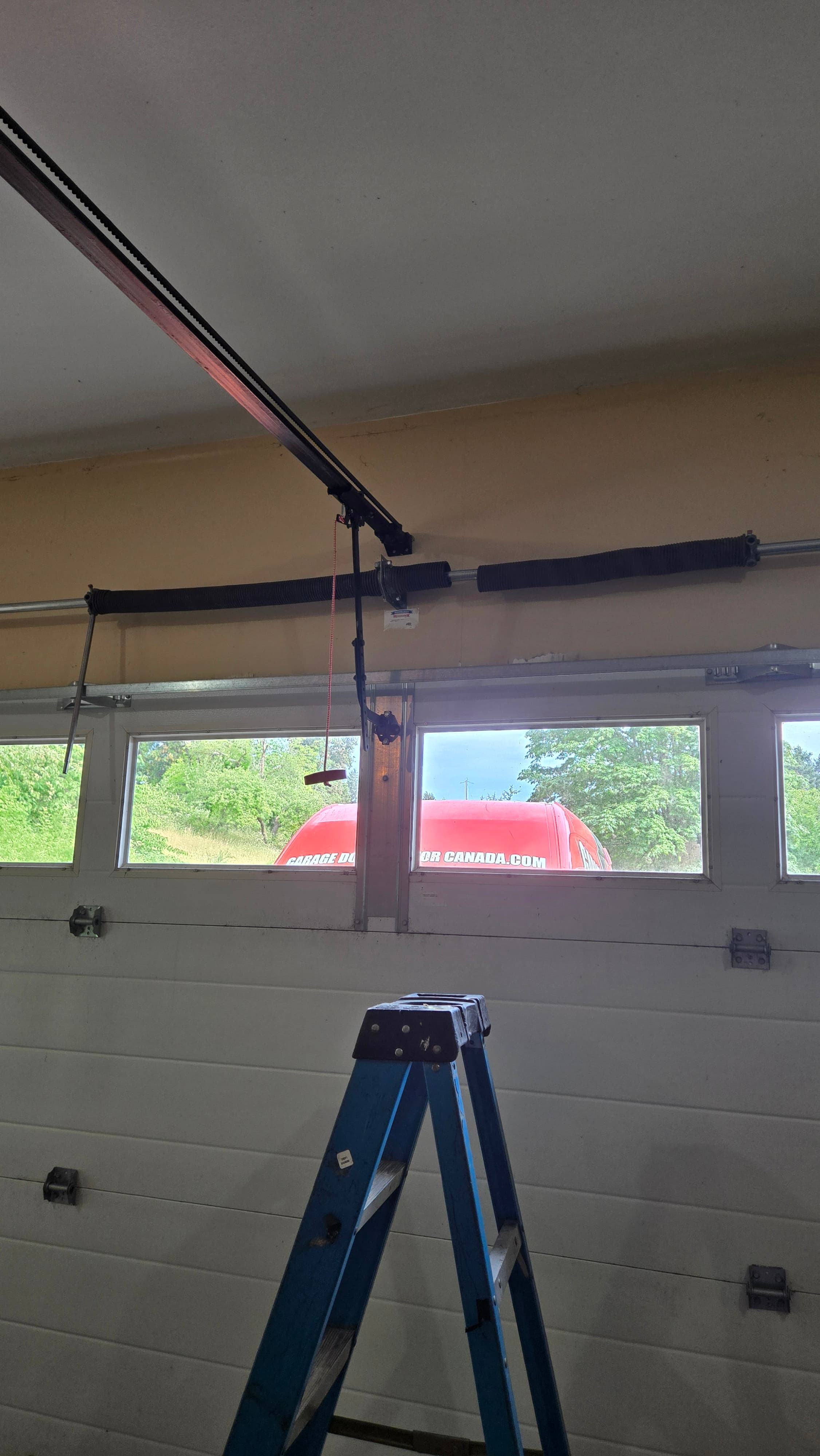
Extension springs are usually found along the horizontal tracks on each side of the garage door. They stretch as the door closes and release stored energy as it opens. If one breaks without a safety cable in place, it may recoil sharply or become a projectile.
Garage door safety cables in Ladysmith run through the middle of each extension spring. They are secured at both ends, allowing the spring to move as the door operates while helping contain it if it snaps.
It is important not to confuse safety cables with lifting cables. Lifting cables are part of the system that raises and lowers the door. Safety cables are there to contain extension springs if they fail.
A technician from our team can determine which system your door has:
- Extension springs, which run beside the horizontal tracks
- Torsion springs, which are mounted above the garage door
- Lifting cables and pulleys that help move the door
- Worn or missing safety cables that need attention
Torsion springs need different inspection and repair procedures. Because both spring types are under high tension, we recommend leaving all spring and cable work to trained professionals.
Why Late Summer Is a Good Time for Service
Late August is a practical time to look over your garage door before Ladysmith's wetter fall and winter conditions arrive. Rain, damp air, and coastal moisture can contribute to corrosion on springs, cables, hinges, fasteners, tracks, and brackets. Garages with limited ventilation may be especially prone to moisture buildup.
Changing temperatures can also bring existing wear to the surface. A door that once seemed fine may start moving unevenly, making louder sounds, or hesitating when it opens and closes. These changes can place extra strain on the opener and other connected parts.
During a professional seasonal check, we can assess components such as:
- Spring condition, corrosion, and wear
- Safety cables, lifting cables, pulleys, and rollers
- Door balance, tracks, brackets, and fasteners
- Opener safety features and the emergency release function
A garage door works as one connected system. A weak spring, damaged cable, or loose bracket can affect how the whole door moves. Addressing concerns before fall weather and busier household routines arrive can help reduce the chance of a sudden breakdown.
Signs Your Springs or Cables Need Attention
You do not need to touch the springs or cables to spot possible trouble. A careful look from a safe distance may reveal rust on a spring, stretched coils, a missing safety cable, or a cable that appears frayed, slack, or damaged. Uneven movement and a door that feels unusually heavy can also point to a spring problem.
A loud bang from the garage is another common warning sign of a broken spring. You may also notice that the opener hums but cannot lift the door, the door opens only partway, or it sits crooked in the tracks. Repeatedly using the opener in these situations can cause more damage to the tracks, cables, door sections, and opener.
Safety cables reduce the risk of a broken extension spring becoming a flying hazard, but they do not make an old spring safe forever. They cannot restore spring strength, correct an unbalanced door, or repair worn hardware. That is why garage door safety cables in Ladysmith should be part of a full system inspection, not a stand-alone fix.
Professional Installation Keeps Safety Cables Reliable
Correct safety cable installation starts with a close look at your garage door's weight, spring setup, track layout, and existing hardware. We make sure each cable is routed through the extension spring and secured at appropriate attachment points. The cable must allow normal spring movement while still containing the spring if it breaks.
Placement and tension matter. A cable that is too loose may not contain a broken spring as intended. One that is routed incorrectly or already damaged can interfere with the door's movement. During service, we also inspect related parts, including lift cables, rollers, pulleys, tracks, brackets, and fasteners.
When springs are corroded, worn, or near the end of their service life, replacing them along with installing or checking safety cables provides stronger protection than a temporary repair. We can also test door balance and opener operation once the work is complete, helping confirm the door opens and closes safely.
Prepare Before the Weather Turns
Before fall rain and cooler temperatures put added stress on aging garage door components, a professional check can reveal missing safety cables, worn extension springs, damaged lifting cables, and opener concerns. Avoid loosening, adjusting, or handling springs and cables yourself, even when the door is closed, because these parts can remain under high tension.
If a spring breaks and leaves your garage door unsafe or inoperable, avoid operating the door until a trained professional can inspect the springs, cables, tracks, and opener.
Keep Your Garage Door System Working Safely
Garage Door Doctor Canada can assess cable condition, alignment, and related door components to help prevent avoidable strain and wear. Explore our garage door safety cables in Ladysmith services for dependable local support. To arrange an inspection or repair appointment, please contact us.