Protect Your Door Before Autumn Rains Arrive
A garage door that will not close can be more than an annoying delay at the end of the day. In Ladysmith, wetter fall weather, darker mornings, and frequent garage use can bring small door problems to the surface. Often, the cause is a safety sensor issue, but similar symptoms can also come from the opener or the door hardware itself.
Knowing the difference matters. Photo-eye sensors help stop or reverse the door when a person, pet, vehicle, or object is in the opening. The opener controls the motor and movement of the door. Qualified garage door professionals can help Vancouver Island homeowners and commercial property owners identify the real cause of garage door trouble.
Recognize the Signs of a Sensor Fault
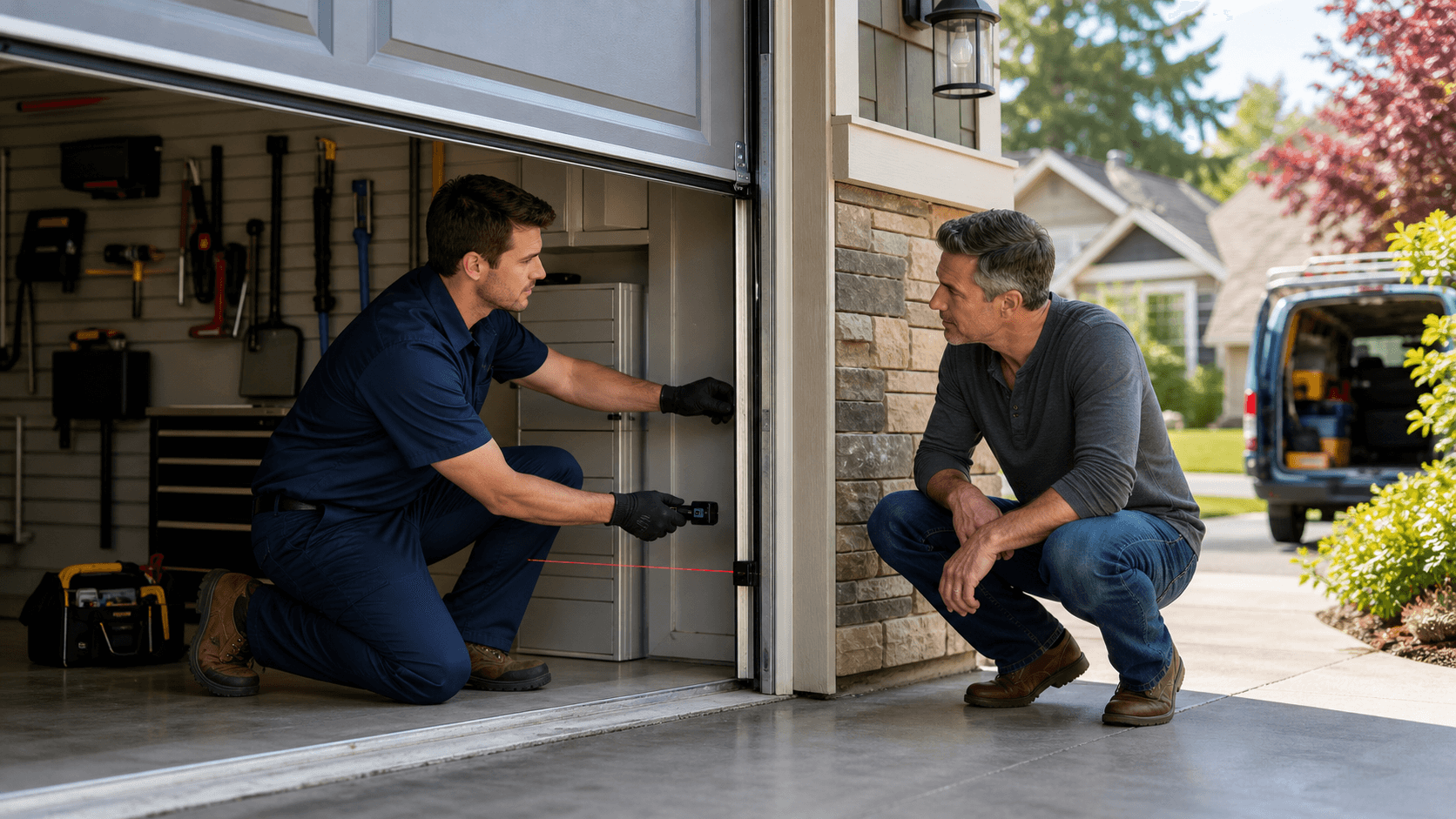
Your garage door safety sensors sit near the bottom of the tracks, with one unit on each side of the opening. They send an invisible beam across the doorway. When that beam is interrupted, the system treats the opening as unsafe and may prevent the door from closing.
A blocked or misaligned sensor does not always mean the sensors need replacement. Dirt on a lens, a loose bracket, worn wiring, or an accidental bump can all affect the beam. We often see these issues after outdoor equipment, storage bins, bicycles, or vehicles have shifted near the tracks.
Common signs of a sensor problem include:
- One sensor light is off or flashing
- The door starts to close, then quickly reverses
- The door closes only while you hold the wall button down
- The opener light blinks after the door will not close
- The door behaves differently when the sensor area is dirty or wet
Indicator lights vary by opener brand, so a blinking light alone does not confirm the cause. Still, when a quick visual check does not restore normal operation, garage door sensor repair in Ladysmith can identify whether the problem is alignment, wiring, a damaged sensor, or something deeper in the system.
We do not recommend bypassing the sensors or forcing the door shut. These devices are there to help prevent injuries and damage, and bypassing them can leave your property less secure.
Separate Sensor Trouble From Opener Failure
Sensor trouble and opener trouble can look very similar at first. A door that will not close might have a blocked photo-eye beam, but it could also have an opener that has lost power, a motor that is struggling, or an issue with the opener's electronics or drive system.
Certain symptoms may point more strongly toward an opener-related concern. If there is no sound when you use the remote or wall control, if both controls stop responding, or if the motor hums without moving the door, the photo-eyes may not be the main issue. Power supply concerns, motor parts, capacitors, logic boards, and drive components can all affect how an opener works.
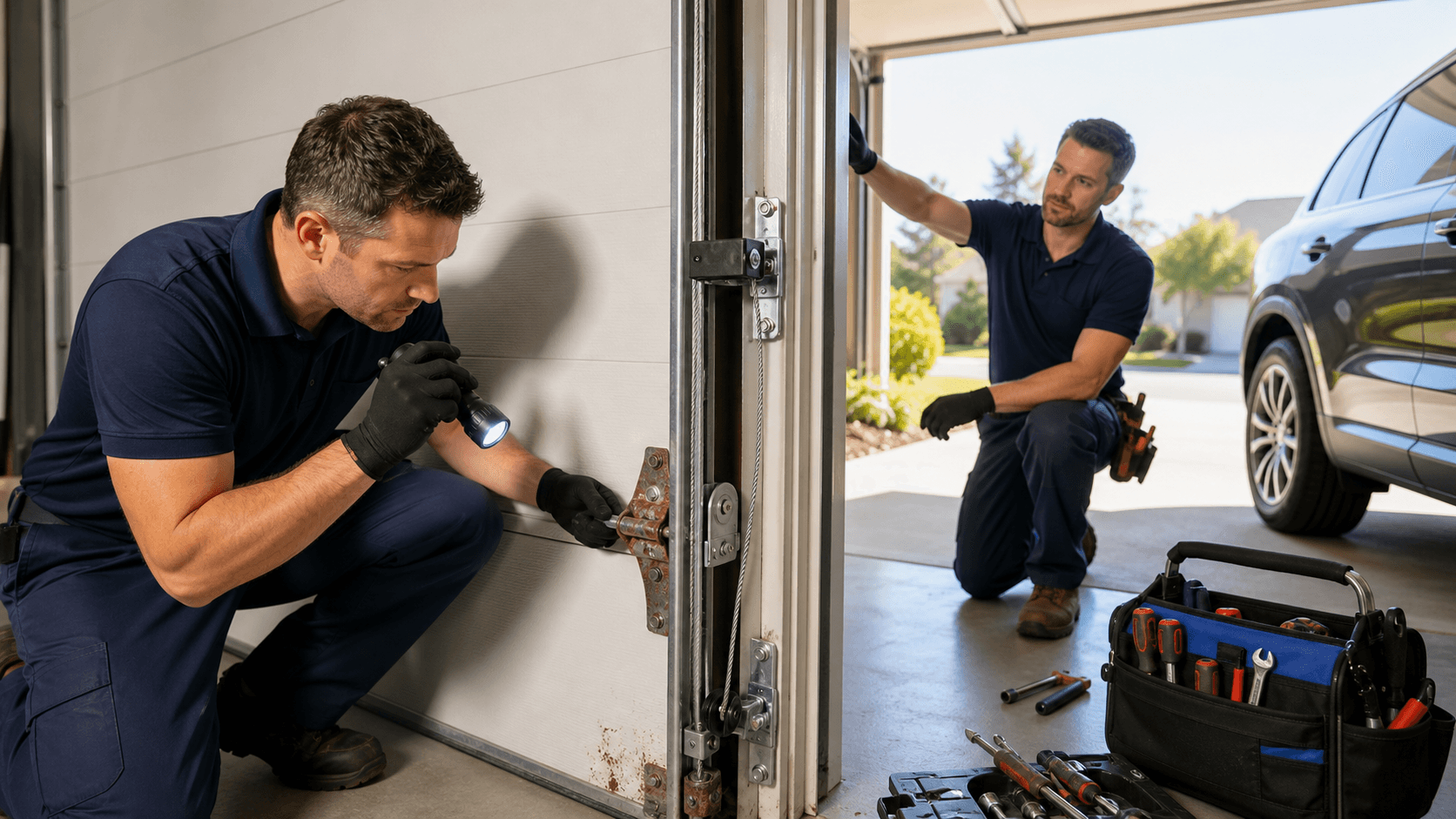
The door itself must also be checked before blaming the opener. A broken spring, damaged cable, bent track, seized roller, or heavy, unbalanced door can make the opener strain, stop, or reverse. Springs and cables are under high tension, so we recommend leaving repairs involving these parts to trained professionals.
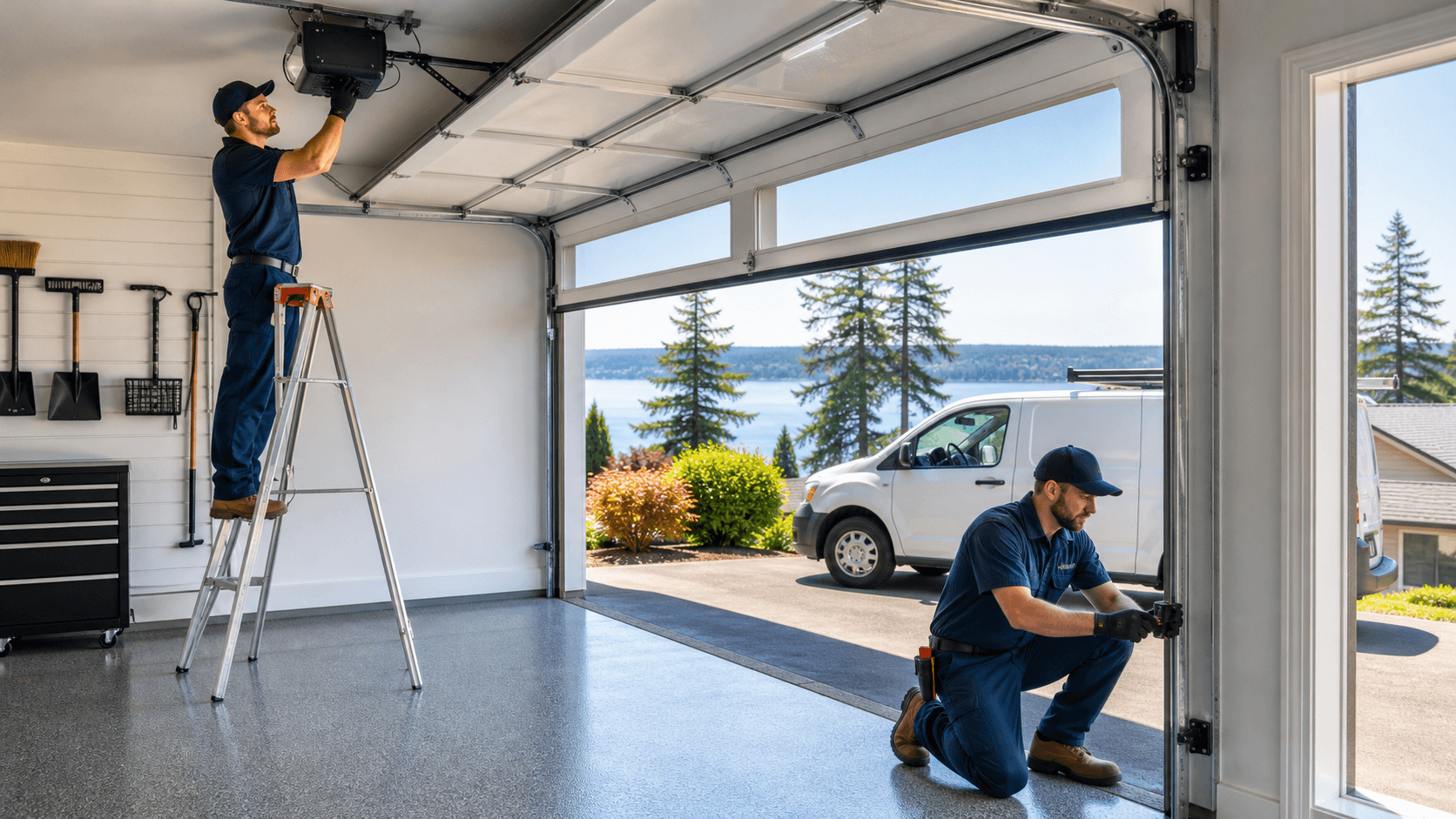
A complete service visit lets us inspect the whole system, including:
- Sensor alignment, lights, brackets, and wiring
- Opener power, controls, settings, and safety functions
- Travel limits and force limits
- Door balance, rollers, tracks, springs, and cables
This fuller approach helps avoid replacing a part that was not actually causing the problem.
Why Wet Island Weather Affects Safety Sensors
Ladysmith's wet weather can make sensor problems more noticeable. Rain, wind-driven dirt, damp leaves, mud, cobwebs, and road dust can collect around the bottom of the garage opening. Even light buildup on a sensor lens may interrupt the beam enough to keep the door from closing as expected.
Moisture can also affect worn or exposed wiring connections. A sensor issue may seem to come and go, especially during heavy rain or after a wet stretch of weather. When the door works one day and reverses the next, it is worth having the system tested rather than assuming the issue has disappeared.
Shorter daylight hours can add another layer of frustration. You may only notice a shifted sensor bracket when arriving home after work or leaving before sunrise. If a bracket has moved slightly out of position, the beam may work intermittently depending on vibration, debris, or movement around the door.
For basic upkeep, we recommend keeping the threshold clear of leaves, standing water, and debris. You can also gently wipe accessible sensor lenses with a soft, dry cloth and make sure nothing is stored directly in front of them. If the lights remain inconsistent, wiring appears worn, or the door continues reversing with a clear opening, professional testing is the safer next step.
Know When Professional Testing Is the Safer Choice
Some garage door concerns should not wait for repeated troubleshooting. Frayed sensor wires, cracked sensor housings, recurring alignment problems, unusual opener noises, overheating, or a door that will not close securely all deserve prompt attention. A door stuck open during rain, overnight, or while a business is closed can also create security concerns.
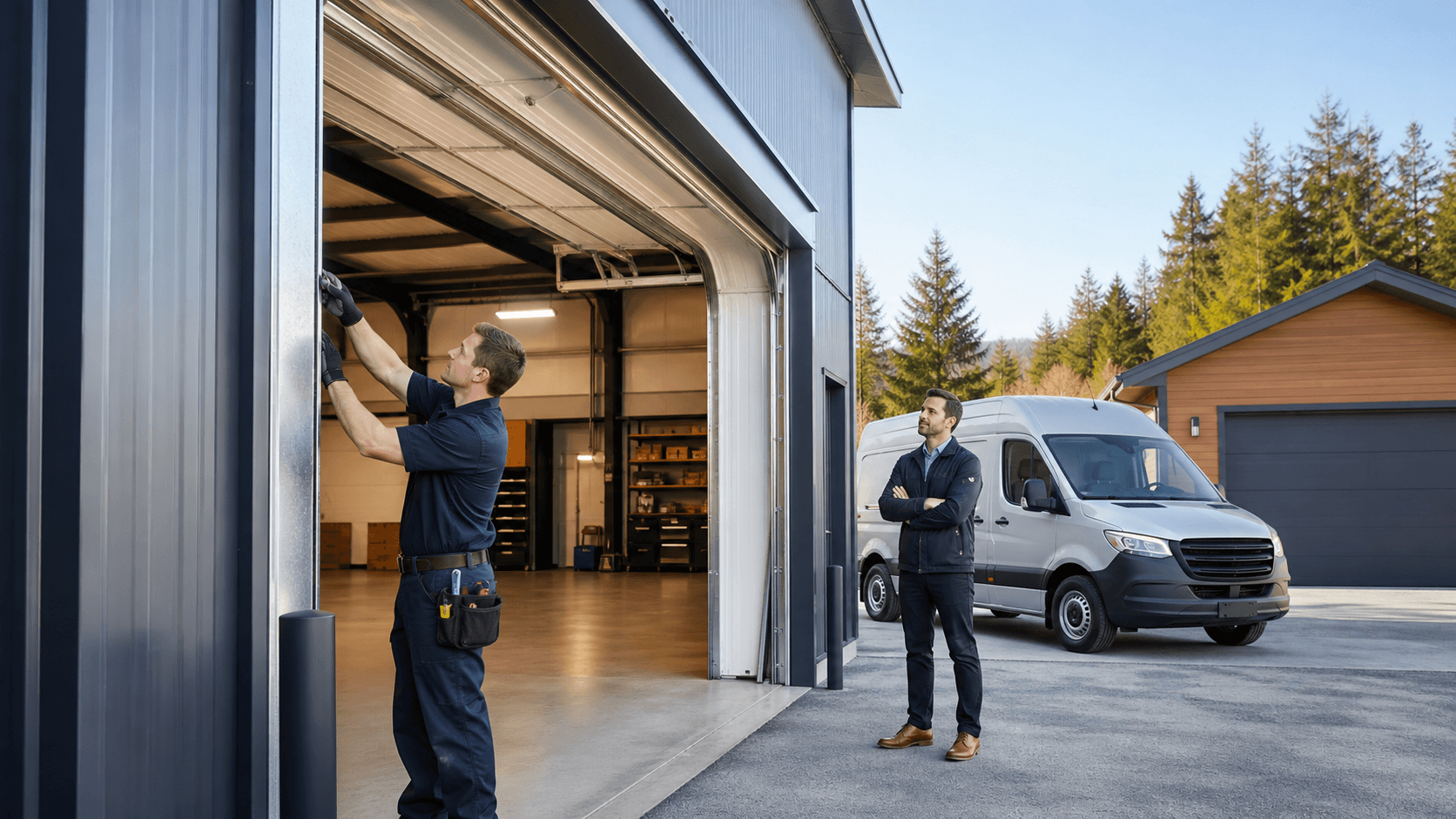
During garage door sensor repair in Ladysmith, professional testing can determine whether the source is the sensors, wiring, opener electronics, door hardware, or a combination of issues. This matters for commercial properties in particular, where an unreliable door can interrupt deliveries, employee access, security, and everyday operations.
Repair and maintenance can address sensor concerns, opener service, door hardware, and problems requiring prompt attention. By testing safety reversal functions and the condition of the full door system, technicians can help make sure one repair does not overlook another issue waiting nearby.
Restore Safe, Reliable Door Operation
A reversing door, a door that will not close, or one that works only while the wall button is held down should be inspected promptly. Sensor faults and opener faults can produce similar signs, but they need different repairs. Ignoring the cause or bypassing safety equipment can turn a small problem into a larger garage door repair.
Professional diagnosis, maintenance, opener service, and sensor repair can help address issues at Ladysmith properties. Timely attention can help keep the garage secure, protect people and vehicles near the opening, and prepare the door for changing weather.
Restore Reliable Garage Door Safety
Garage Door Doctor Canada can inspect sensor alignment, wiring, and opener connections to identify what is affecting your door's operation. Explore our garage door sensor repair in Ladysmith services for clear, practical support. If you have noticed inconsistent closing or warning lights, contact us to arrange an assessment.