Make Your Next Garage Door Inspection Stress-Free
A garage door inspection is a simple way to keep your home safer and your daily routine smoother. A professional safety inspection looks at the door, hardware, and opener to make sure everything is working properly and safely. On Vancouver Island, where we deal with salt air, heavy rain, and power outages, that kind of check is especially important.
A proper garage door inspection helps prevent surprise breakdowns, protects vehicles and stored items, and reduces risks for kids, pets, and visitors. It can also help your door and opener last longer and run more quietly. In late July, many families are thinking ahead to fall storms, darker evenings, and back-to-school schedules, when a reliable garage door matters even more.
In this guide, we will walk through how to prepare your home for a garage door inspection, what to expect from a professional visit, smart questions to ask, and common red flags inspectors often find before they turn into emergencies.
Why Regular Garage Door Inspections Matter on Vancouver Island
Living on Vancouver Island is great, but the coastal climate is tough on garage doors. Moisture, wind, and salty air speed up rust on springs, cables, and other metal parts. Hardware can weaken faster, rollers can wear out sooner, and tracks can start to pit or corrode.
Skipping regular garage door inspection visits can lead to real safety risks, such as:
- Springs snapping without warning
- Cables fraying or breaking
- Doors coming off track
- Doors that will not open when you need to get out in an emergency
There are practical comfort benefits too. Regular inspections can:
- Catch small problems before they become large repairs
- Help keep drafts, water, and pests from getting into attached garages
- Reduce rattling and grinding that can disturb your household and neighbours
We like to think of a garage door safety inspection as part of a normal home maintenance plan, similar to getting your furnace checked or your roof inspected. A licensed, insured local expert who works on Vancouver Island every day understands how our weather affects doors and knows what trouble spots to look for.
How to Prepare Your Home for a Garage Door Inspection
You do not need to do much before a garage door inspection, but a little prep helps the visit go smoothly and safely.
A day or two before the appointment:
- Park vehicles so the technician has clear access to the garage door and opener
- Move stored items, bins, and tools away from tracks, the opener, and the doorway
- Secure pets and keep children at a safe distance during the visit
It also helps to gather a few key details:
- Brand and approximate age of your garage door and opener
- Any past repair receipts or warranty information you may have
- Notes about recent problems, such as strange noises, slow operation, or remote issues
Take a quick look at your door ahead of time and write down anything you see, such as:
- Gaps around the door when it is closed
- Visible rust, frayed cables, or bent hinges
- Torn or missing weatherstripping
- Signs of water getting into the garage
On the day of your appointment, confirm the time and make sure the technician can access the garage. Plan to be home for at least an hour, so you can answer questions, hear what the inspector finds, and approve any repair work that might be needed.
What to Expect During a Professional Safety Inspection
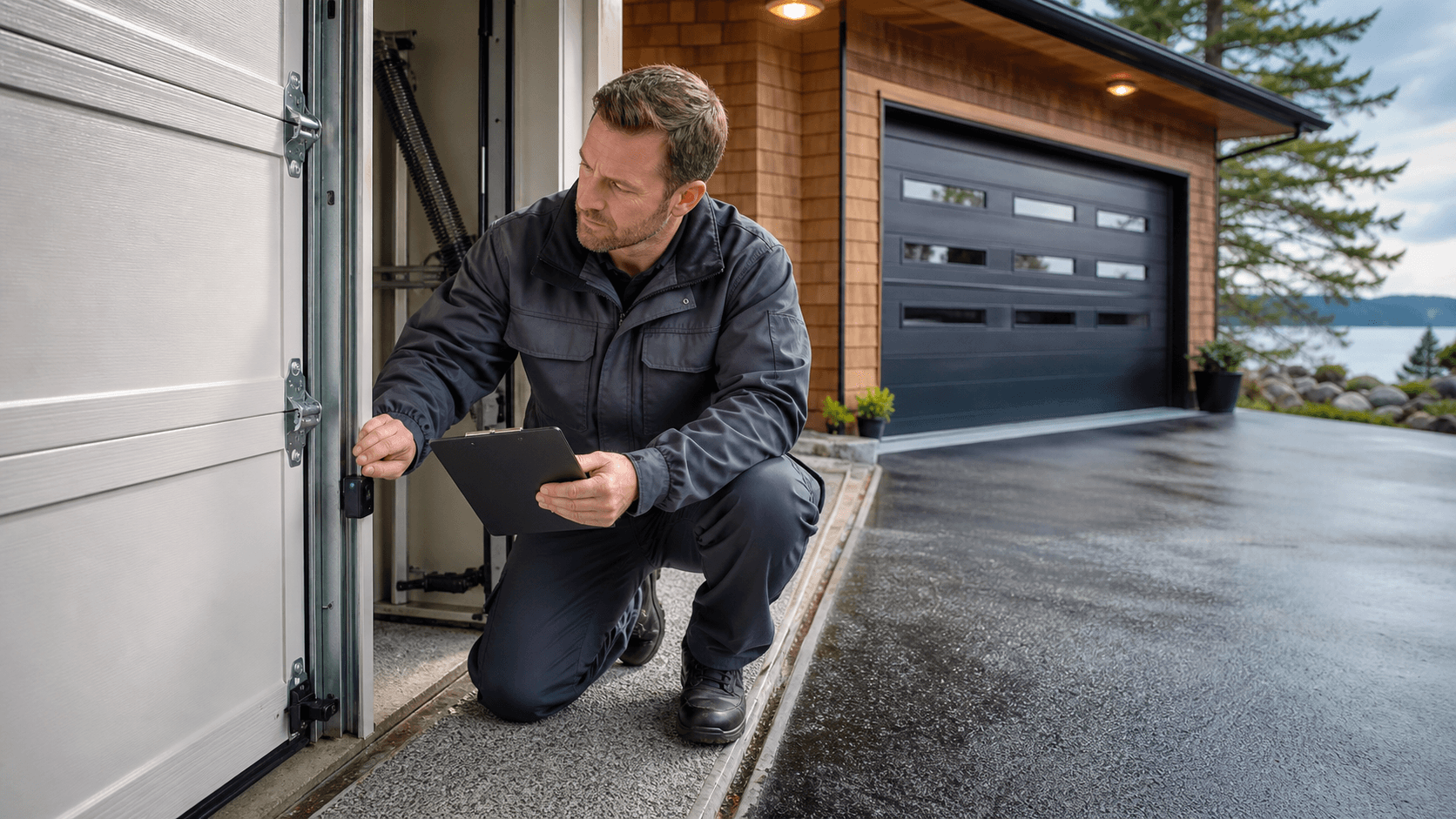
When the technician arrives, they will usually start with a short conversation. They will ask what you have noticed, how often you use the door, and if you have had any past problems or repairs. Then they will move into a full visual and physical inspection.
A thorough garage door inspection typically includes:
- Checking door panels for damage, rot, or cracks
- Examining tracks, rollers, hinges, brackets, and fasteners
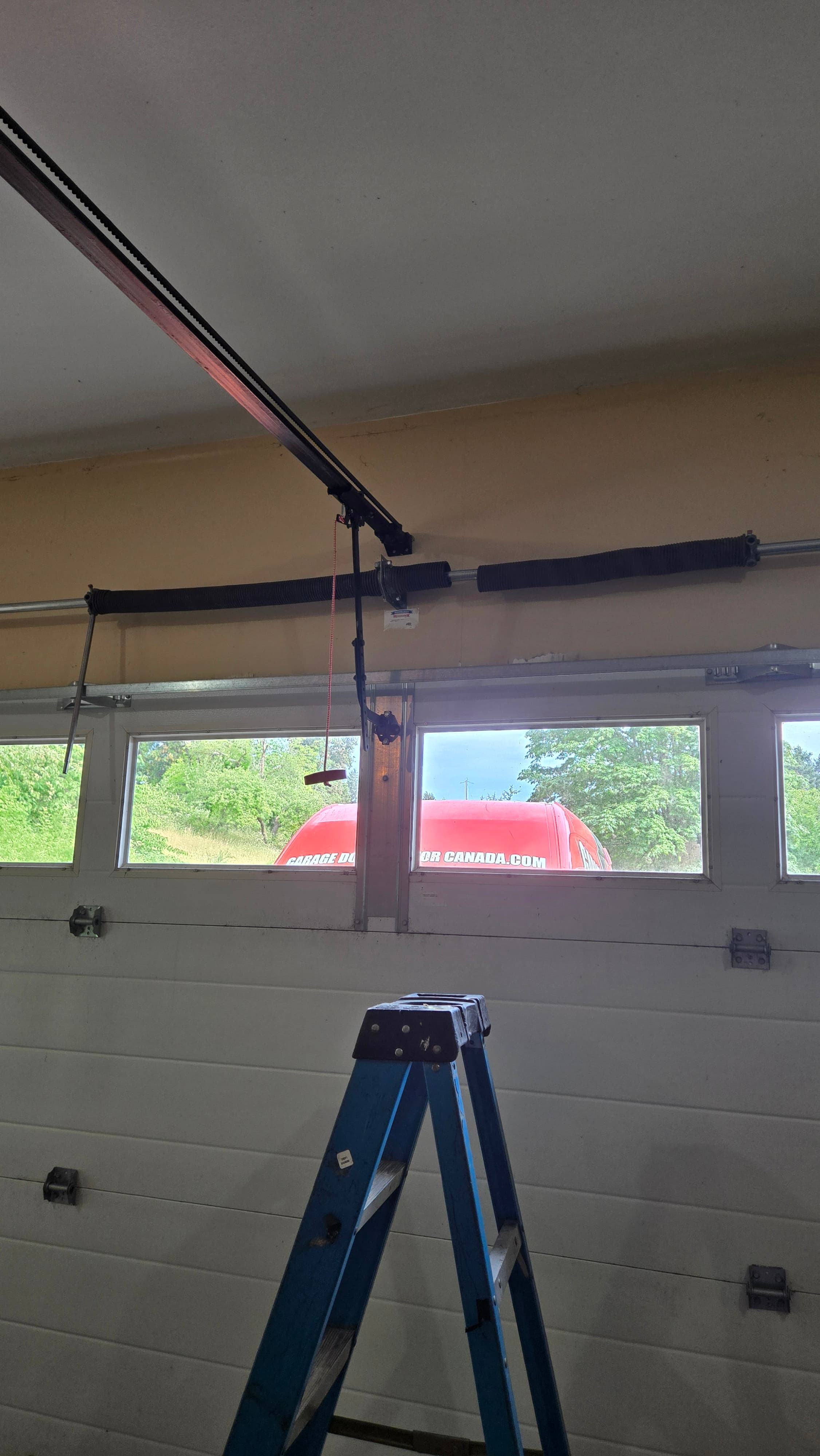
- Looking closely at springs and cables for rust, wear, or stretching
- Inspecting the opener unit, rail, and mounting hardware
Next, they will perform several operational and safety tests, such as:
- Opening and closing the door a few times to watch and listen
- Testing the photo-eye safety sensors with an obstruction to confirm proper reversing
- Checking the manual release cord so the door can be opened by hand in a power outage
- Performing a spring balance test to see if the door is properly counterweighted
- Verifying the opener's force and travel settings so the door does not close too hard
A reputable company will walk you through what they see, point out worn or unsafe parts, and explain any recommended repairs in clear language. You should receive honest information without pressure to agree to upgrades you do not need.
Most safety inspections take about 45 to 90 minutes, depending on the door's condition and whether minor adjustments are performed. Some light lubrication and basic tightening are often done during the same visit, which can immediately improve how smoothly and quietly the door runs.
Smart Questions to Ask Your Garage Door Inspector
You will get more value from your garage door inspection if you ask a few focused questions. This keeps you informed and helps you make good decisions for your home.
Good questions include:
- What specific safety or code concerns did you find?
- Which repairs are urgent, and which can safely wait?
- Do I have repair options, or is replacement a better choice in this case?
Ask about parts and workmanship as well:
- Are the parts you recommend compatible with my door and opener?
- What warranties do you offer on parts and labour?
- Given Vancouver Island's climate, how long should these repairs realistically last?
You can also clarify the best service schedule and your own role:
- How often should I book a garage door inspection for this home or strata property?
- Can you show me simple maintenance tasks I can safely do, like checking weatherstripping?
Finally, it is reasonable to ask about the company's background:
- Are you licensed and insured locally?
- How long have you been working on Vancouver Island?
- Do you provide 24/7 emergency service if the door fails suddenly?
Clear answers help you feel confident about the work being done on such an important moving part of your home.
Common Red Flags Inspectors Find Before They Become Emergencies
One of the biggest benefits of a professional garage door inspection is finding hidden problems early. Many high-priority issues are hard for homeowners to spot on their own.
Technicians often uncover:
- Cracked, stretched, or heavily rusted torsion or extension springs
- Frayed or kinked lift cables ready to snap
- Bent or misaligned tracks that can cause the door to bind or derail
- Loose or missing bolts and screws that affect the door's stability
Safety systems can also fail quietly over time. Common issues include:
- Misaligned photo-eye sensors that do not reverse the door when needed
- Openers set with too much closing force, which can put people, pets, and vehicles at risk
- Disabled or bypassed safety features that should never be turned off
Homeowners may notice early warning signs such as loud grinding, popping, or banging noises, a door that drops faster than it should, uneven gaps at the bottom or sides, or a garage that suddenly feels drafty or damp.
It can be tempting to search for DIY fixes, but springs and cables are under high tension and can be very dangerous to work on without proper training and tools. Having a licensed, insured professional handle these components protects both your safety and any warranties on your door and opener.
By staying alert to these red flags and pairing them with regular professional inspections, you keep your garage door safer, quieter, and ready for whatever the Island weather sends your way.
Protect Your Home With a Professional Garage Door Checkup
If your door is noisy, slow, or showing signs of wear, now is the time to schedule a thorough garage door inspection with Garage Door Doctor Canada. We will identify small issues before they become costly repairs and make sure your door is operating safely in every season. Book your visit today or contact us to talk with our team about your garage door concerns.