Stop Letting Garage Door Myths Cost You Money
Garage door maintenance is one of those things that is easy to ignore until something goes wrong. The trouble is, by the time a garage door fails, the damage is often bigger, more stressful, and more expensive than it needed to be. A few common myths keep many Vancouver Island homeowners from giving their doors the care they need.
We are a family-owned, licensed, and insured garage door company serving homes and businesses across Vancouver Island, and we see these myths every week. Bad advice leads to early wear, safety hazards, and doors that need replacing long before their time. Late July is a busy time for summer projects, camping trips, and backyard upgrades, which makes it a great moment to clear up confusion and get your door ready for wetter, stormier months.
In this article, we will bust the most common garage door maintenance myths we hear, explain what is actually true, and share simple, practical tips that work well in our coastal climate, with all the moisture, salt air, and temperature swings we live with.
Myth: Garage Doors Only Need Attention When They Break
A lot of people think, if the garage door still goes up and down, everything must be fine. That sounds reasonable, but it is a risky way to think about a heavy moving system that hangs over your car, your belongings, and your family.
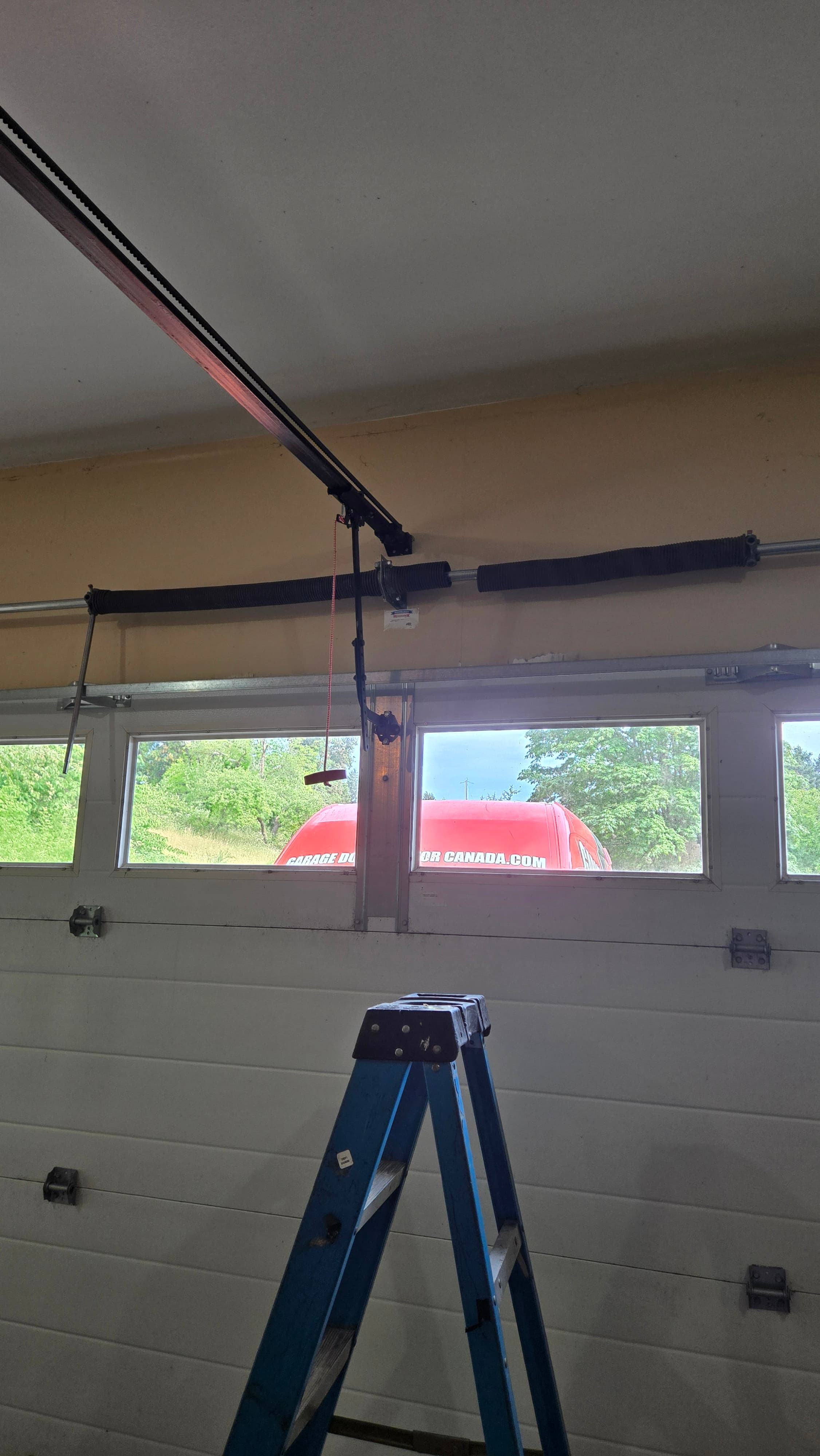
Springs, cables, rollers, and hinges can be worn or damaged long before you notice a clear problem. A door might still move even when parts are cracked, stretched, or out of balance. When those parts finally give out, it can mean a door stuck halfway, a car trapped inside, or in the worst cases, a serious safety issue.
Real preventative maintenance is more than a quick glance. It usually includes things like:
- Checking the balance of the door
- Tightening loose bolts and hinges
- Inspecting cables and safety cables for wear
- Testing the auto-reverse and photo-eye sensors
- Making small adjustments before they turn into big failures
On Vancouver Island, regular service also helps avoid mid-winter breakdowns when cold, wet conditions put more strain on metal parts. A door that groans and shakes every morning is not just annoying; it is often a sign that trouble is coming.
Many homeowners ignore a bit of noise, a small jerk in the track, or a door that moves slower than it used to. They wait until the door stops working, which often means major repairs. Homeowners who book routine maintenance spread out the wear, catch minor issues early, and usually enjoy a smoother, quieter door that lasts longer.
Myth: You Can Lubricate Everything Yourself and Be Done
Lubrication sounds simple, so it is tempting to think a quick spray is all the garage door care you need. There are some basic tasks most homeowners can safely handle, but there is also a line that should not be crossed without proper training.
Safe, homeowner-friendly jobs might include:
- Light lubrication of hinges and rollers with the right product
- Gently wiping debris off the tracks
- Listening for new noises and watching how the door moves
What should be left to a pro are things like adjusting springs, resetting cables, and correcting track alignment. Those parts hold a lot of tension and carry the weight of the door. One wrong move can send a spring snapping or a door dropping.
The product you use also matters. Spraying WD-40 or heavy grease on tracks or moving parts might seem helpful, but that can attract dust, grit, and moisture from our damp Island air. Over time, this sticky mix turns into rust, extra noise, and poor operation.
Late summer is a smart time for a proper lubrication and inspection, before fall humidity and salt air start to bite harder. A trained technician can show you which parts you can safely look after yourself and which ones are better handled by licensed, insured technicians.
Myth: Coastal Weather Does Not Affect Garage Door Lifespan
Our Island weather is beautiful, but it is not gentle on garage doors. Salt air, frequent rain, and dampness can speed up rust on springs, hinges, and tracks. Wood doors can swell, warp, or peel. Even steel and aluminum parts can corrode faster when they face constant moisture.
Ignoring the impact of coastal weather can shorten the life of your door. Good maintenance in our climate usually involves:
- Checking and replacing worn weatherstripping
- Watching for rust spots and early corrosion
- Looking for water stains or signs of leaks around the opening
- Keeping the bottom seal in good shape to block puddles and drafts
A well-sealed, well-maintained door also helps with comfort inside your home. Fewer gaps can mean fewer drafts and more stable indoor temperatures, which matters when the weather swings between hot, cool, wet, and windy.
Because of these conditions, Island homeowners do well to choose doors and parts made with rust-resistant materials and durable finishes, and to schedule regular inspections. That way, small weather-related issues are spotted and solved before they weaken the whole system.
Myth: All Garage Door Repairs Are Safe DIY Projects
Online videos can make any repair look easy, but garage doors are not a simple DIY project. The springs hold a huge amount of tension, panels are heavy, and tracks need to be aligned just right. Trying to fix these parts without proper tools and training can lead to serious injury or damage.
There are some quick checks most homeowners can safely do, such as:
- Testing the photo-eyes by blocking them with a solid object
- Pressing the opener button to test the auto-reverse
- Replacing remote batteries
- Looking for obvious obstructions in the tracks
Anything that involves removing springs, changing cables, lifting panels, or adjusting track positions should be handled by a professional. A failed DIY spring replacement or a cable that slips out of place can cause the door to slam shut or twist in the tracks, often leading to more damage than the original problem.
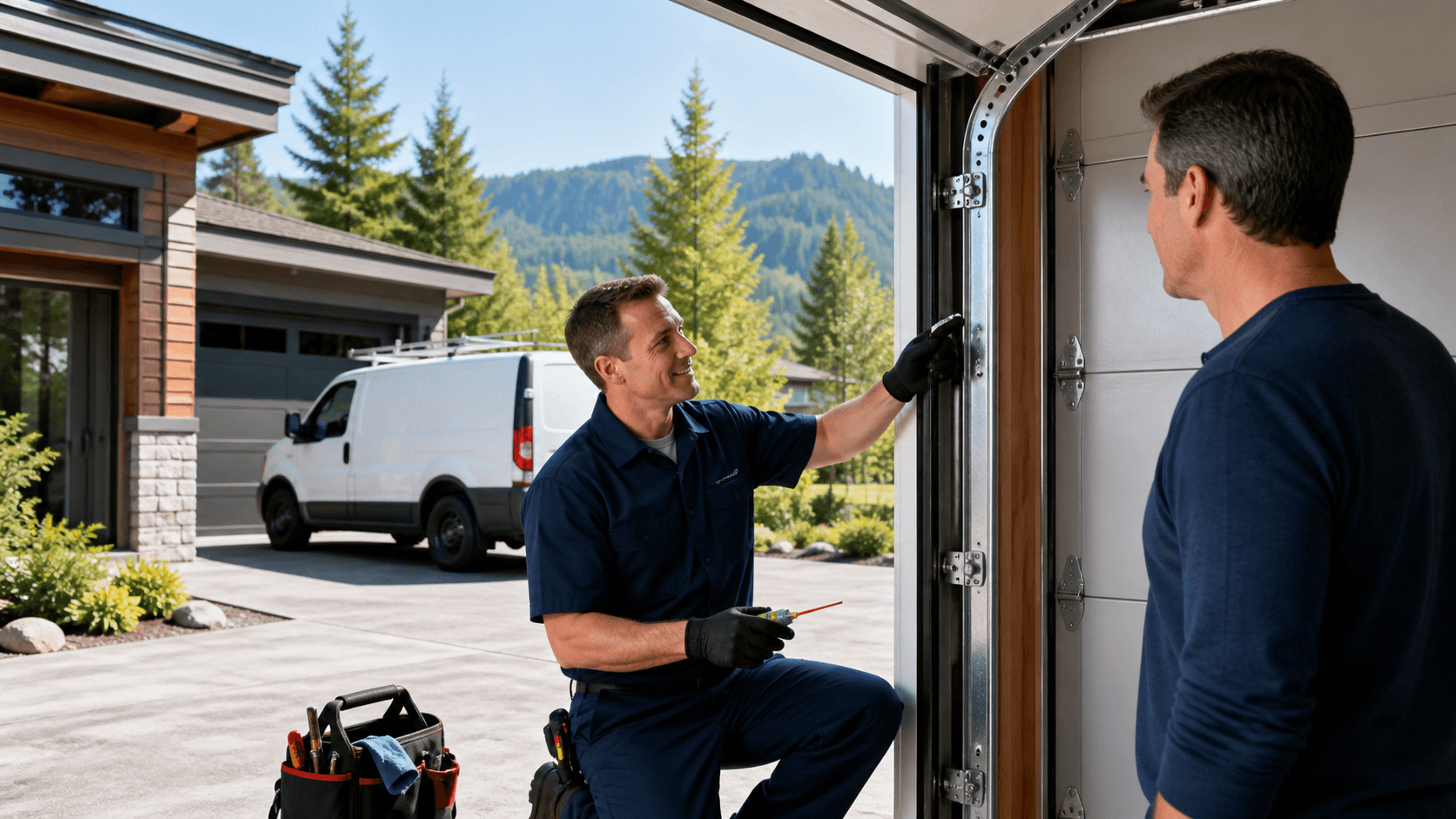
Licensed and insured technicians are trained to deal with these hazards. That protection matters when you are working with a system this heavy and this active.
Myth: Professional Maintenance Is an Unnecessary Luxury
Some homeowners believe professional maintenance is just an upsell and that garage doors are fine until they break. In practice, regular care tends to mean fewer surprises and less stress.
A planned service visit can help:
- Cut down on emergency breakdowns
- Extend the life of springs, openers, and rollers
- Keep the door operating more quietly
- Maintain safety features so they respond when you need them
On Vancouver Island, where moisture and salt air work against your door every day, an annual or twice-yearly check is often far cheaper in the long run than replacing major parts early.
A typical maintenance visit from a trained technician often includes checking hardware, testing safety systems, inspecting springs and cables, adjusting tension where needed, and making sure the opener and door are working well together. Knowing what is being checked and tuned gives you a clearer picture of how your door is holding up and how to protect your investment as seasons change.
Take Control of Your Garage Door's Health Today
The big myths we hear most often sound simple, but they can cause real trouble: only fixing a door when it breaks, thinking lubrication alone is enough, ignoring the effect of coastal weather, treating all repairs as DIY-friendly, and seeing professional care as a luxury. For Vancouver Island homeowners, smart, regular garage door maintenance is a key part of keeping your home safe, comfortable, and easy to live in.
A good next step is to do a quick safety check at home. Test your photo-eyes and auto-reverse, look for any loose or rusty hardware you can see, and make note of new noises, sticking points, or cosmetic issues. Then plan a professional inspection and maintenance visit before the rainy season settles in. As a family-owned company serving homes and businesses across the Island, Garage Door Doctor Canada is here to help you sort out what your door needs and keep it working smoothly in our unique coastal climate.
Keep Your Garage Door Safe, Quiet, And Reliable
Regular garage door maintenance helps prevent costly repairs and keeps your home secure in every season. At Garage Door Doctor Canada, we carefully inspect, fine tune, and lubricate all key components so your door operates smoothly and safely. If you are noticing new noises, slower operation, or any other concerns, we are ready to help. Book your appointment today or contact us with any questions.