
Protect Operations with a Door Plan That Fits
A commercial garage door affects far more than the look of your building. It shapes daily access, employee safety, customer service, inventory protection, and indoor comfort. In Duncan, planning before the wet and windy autumn and winter months can help you avoid disruptions when your door is needed most.
Every commercial facility has its own pace. A clear plan helps match the door system to your daily demands, from vehicle movement and delivery timing to security needs and long-term maintenance.
Know Your Site Before You Select a Door
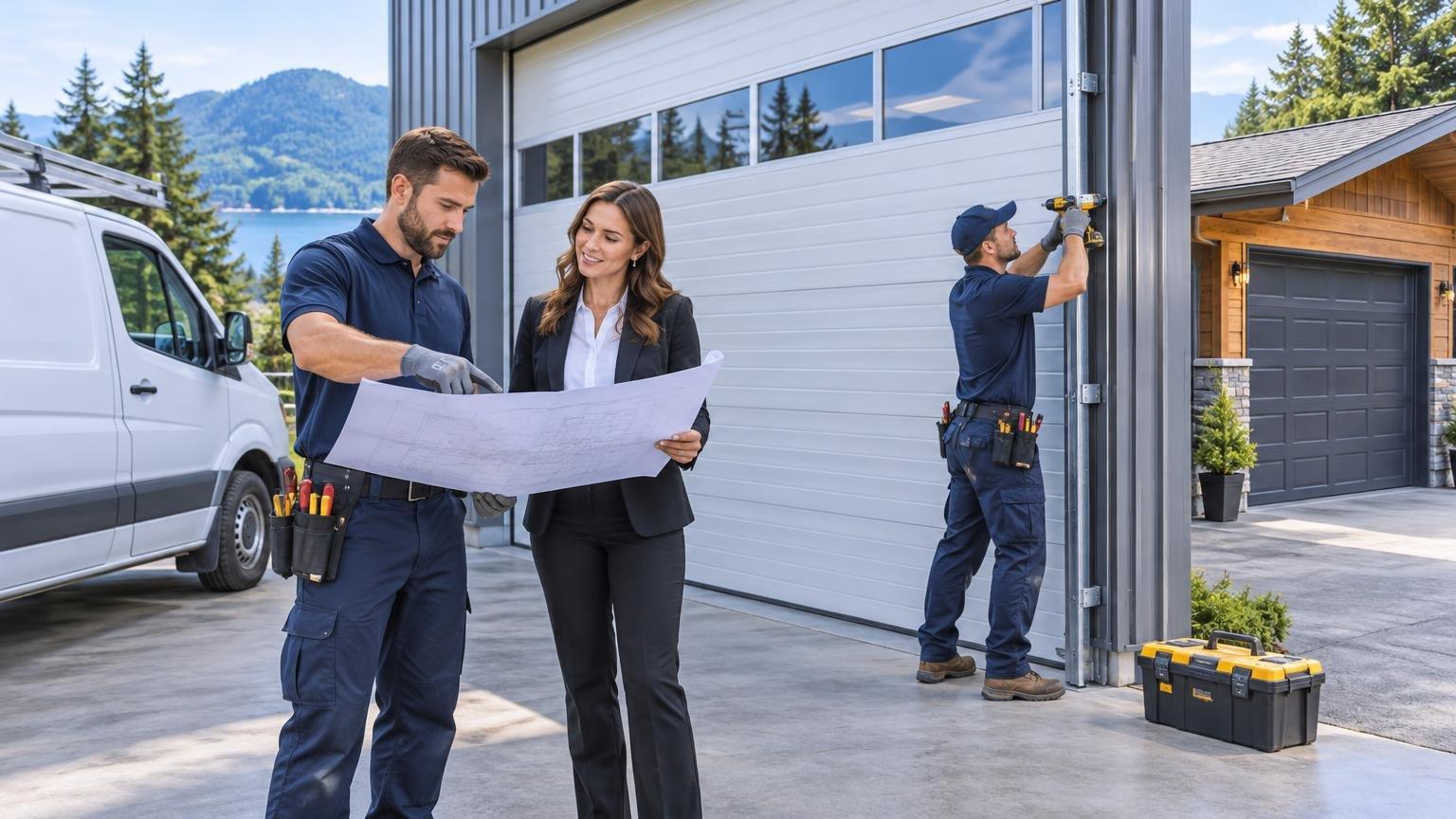
The right door starts with the opening itself. Before equipment is ordered, we assess the width and height of the opening, ceiling clearance, headroom, side room, wall structure, and available power. These details affect which door style, track system, and operator can be safely installed.
A site assessment can also uncover limits that are easy to miss during early planning. Low ceilings, overhead pipes, lighting, shelving, electrical panels, or uneven floors may change the best installation approach. Identifying these items early helps prevent last-minute changes when work is already underway.
For commercial garage door installation in Duncan, we also look at how your building works every day. A warehouse, service bay, retail stockroom, agricultural building, and delivery facility can all need very different door setups. Consider:
- The size and type of vehicles entering the building
- How often the door opens during a normal workday
- Whether staff or customers walk near the opening
- Your need for insulation, visibility, and security
- Future plans for new equipment, added storage, or more traffic
Rain exposure, wind direction, delivery schedules, and pedestrian access should all be part of the conversation. A door that fits the opening but does not fit the workflow can quickly become a daily frustration.
Select Doors That Stand up to Duncan's Rain
Commercial doors come in several styles, and each one serves a different purpose. Sectional steel doors are a common choice for many workspaces because they are durable and can be insulated. Rolling steel doors can suit areas where security and compact overhead storage matter. Full-view aluminium doors bring in light and visibility, which may work well for customer-facing spaces. High-speed doors are often considered where frequent movement and faster access are a priority.
Duncan's rainy season adds another layer to the decision. Moisture, wind, cooler temperatures, and repeated wet-to-dry cycles can affect doors, hardware, and seals over time. We recommend paying close attention to components that help keep water and drafts outside, including:
- Proper weather seals around the opening
- A durable bottom seal that meets the floor correctly
- Corrosion-resistant hardware for damp conditions
- Insulated panels for heated work areas
- Drainage that directs water away from the doorway
Insulation can make a noticeable difference in workshops, warehouses, and spaces where employees or customers spend time near the door. It can help reduce drafts and support a more comfortable indoor environment. Choosing durable components also matters when a door will open and close frequently or face regular coastal moisture exposure.
Schedule Installation Without Disrupting Daily Work
Timing matters when your door is part of your daily operations. Before booking commercial garage door installation in Duncan, we encourage you to think about operating hours, deliveries, staff coverage, customer traffic, and alternate access points. In some cases, planning work during quieter periods can help keep the facility moving while the installation is completed.
Installation involves more than placing a new door in an opening. The existing door may need to be removed, tracks and hardware must be mounted, and the operator needs correct setup. Electrical requirements, controls, safety devices, and final adjustments also need time and attention.
A safe installation includes testing before the door returns to regular use. We check that the door moves smoothly, responds properly to controls, and has the safety features needed for its setting. Your staff should also understand how to operate the door safely and what to do if it stops working during the day.
Photo-eye sensors, reversing mechanisms, secure mounting, and properly rated springs are all part of a dependable commercial system. A door may look finished from the outside, but careful testing is what helps make it ready for daily use.
Budget for Safety, Efficiency, and Long-Term Service
Choosing a commercial door based only on the initial purchase decision can create problems later. Instead, we suggest looking at the whole role the door will play in your building. A lightly used storage door has different needs than a busy service-bay door that opens throughout the day.
Your plan should account for the door's expected use, insulation needs, security requirements, operator capacity, and hardware quality. The goal is to select equipment that suits the workload rather than asking a lighter-duty system to handle more than it was designed for.
Maintenance should also be part of the plan from the beginning. Regular inspections can help spot worn rollers, cables, springs, weather seals, and operator concerns before they lead to a door failure. This is especially helpful during wetter months, when heavy use and poor weather can put added stress on commercial door systems.
Working with a local provider that handles installation, repairs, maintenance, and emergency service gives you a clearer path when problems come up. Familiarity with your door and its operating conditions can make ongoing service more straightforward.
Prepare Your Facility for a Reliable New Door
Before installation day, clear the work area, move vehicles and stored items away from the opening, and make sure the team has access to any electrical equipment or control areas that may be needed. It also helps to let employees know about temporary changes to vehicle routes, deliveries, and entry points.
A thoughtful commercial door plan supports safer movement, stronger security, smoother workflow, and dependable performance through changing weather. When the site, door type, safety features, schedule, and maintenance needs are considered together, your new door is better prepared to support the work happening behind it.
Keep Your Commercial Door Project Moving Forward
Garage Door Doctor Canada can help you plan commercial garage door installation in Duncan with practical guidance tailored to your operation. From selecting suitable door systems to coordinating installation details, our team is ready to support your next steps. Contact us to discuss your commercial door requirements and request service.