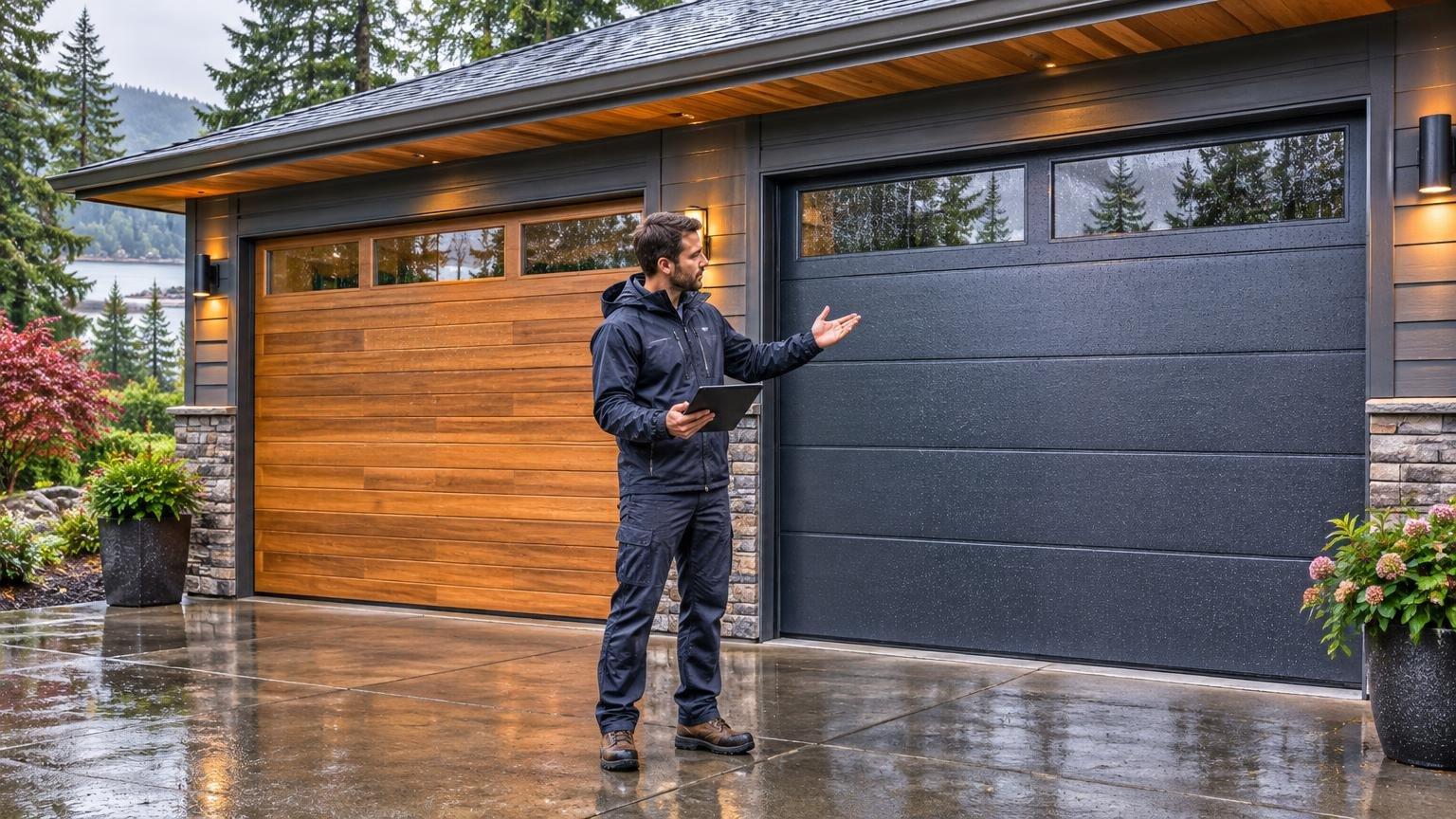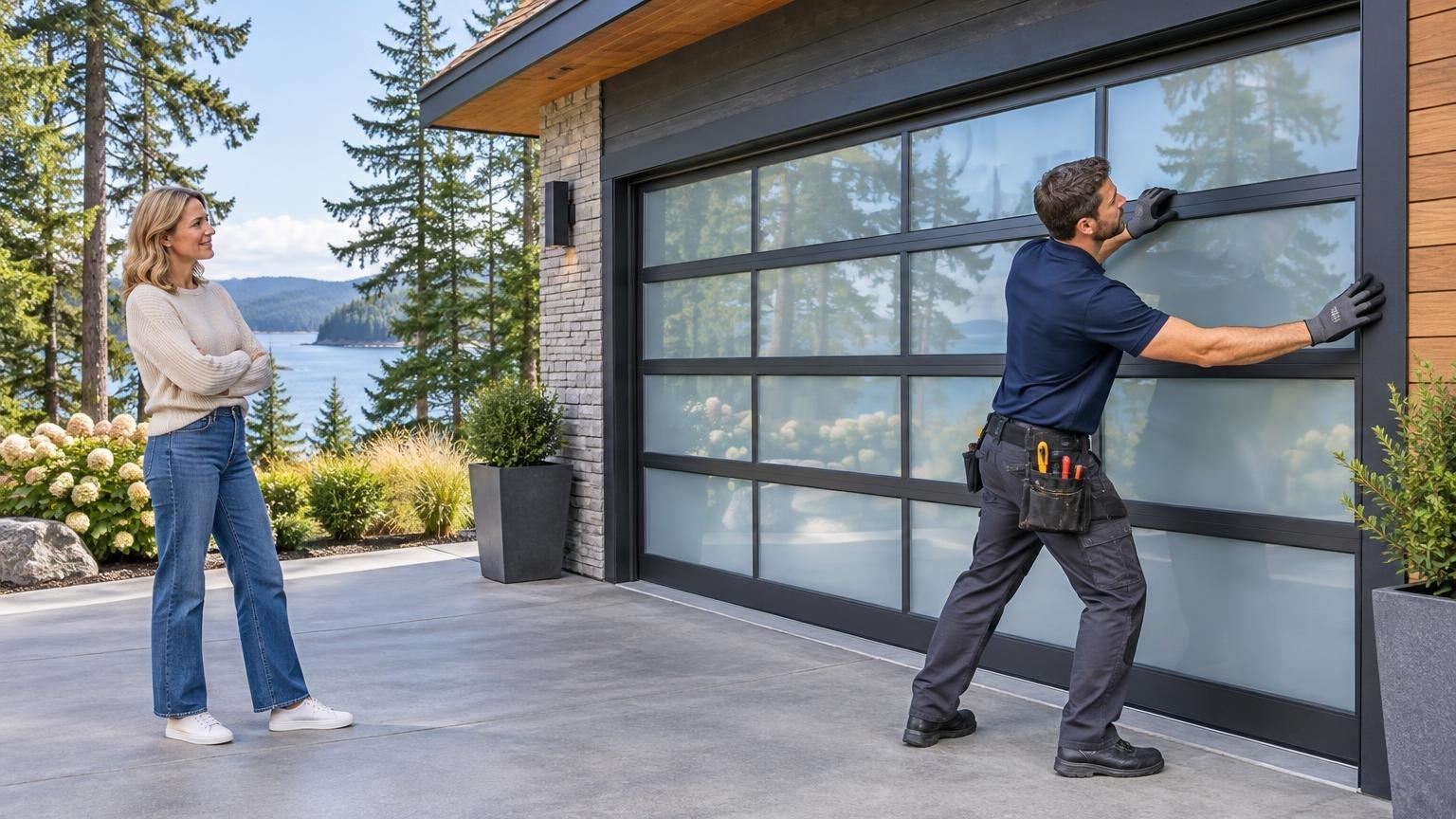
A custom garage door installation in Mill Bay starts with more than picking a colour you like. The right door can support easier daily access, safer storage, better comfort in an attached garage, and a finished look that suits the rest of your property.
Mill Bay weather should be part of the plan from the beginning. Autumn rain, moisture, changing temperatures, wind, and darker winter days can all affect how a garage door performs. Property owners can choose a system that looks right, fits properly, and is built for dependable everyday use.
Build a Door That Fits Mill Bay Living
Your garage door is one of the largest moving parts of your home or business. When it works smoothly, you may barely notice it. When it sticks, lets in drafts, or does not provide the security you need, it can quickly become frustrating.
For homes, a custom door may be planned around secure vehicle storage, a workshop, extra insulation, or easier access for family members. For commercial spaces, the focus may be on clearance, operating frequency, durability, and security. Starting with the garage's real purpose can help guide you toward suitable materials, door designs, hardware, and opener features.
Mill Bay's coastal conditions also deserve attention. Rain and moisture can affect worn seals, exposed hardware, and older doors over time. A thoughtfully planned system can help keep rain, debris, and drafts from becoming a regular problem.
Define Your Space and Priorities
Before choosing a style, take stock of how the garage is used and what is getting in the way right now. A door that looks beautiful but does not meet your day-to-day needs is not the right custom choice.
Consider what matters most for your property:
- Secure storage for vehicles, tools, equipment, or inventory
- Improved insulation for an attached garage or work area
- More natural light, privacy, or a particular exterior style
- Reliable access during wet and dark winter weather
- Clearance for larger vehicles or commercial equipment
Site details matter just as much as the door itself. Consider the opening width and height, headroom, side room, driveway slope, ceiling space, and any obstructions that could affect tracks or an opener. Older garages may also have uneven flooring, damaged framing, outdated hardware, or electrical limitations that need to be addressed as part of the installation plan.
A professional assessment helps prevent surprises after a door has been selected. Proper fit, balance, alignment, and safe operation all depend on understanding the full space before installation begins.
Choose Materials for Coastal Conditions
The material you choose affects the door's appearance, upkeep needs, insulation, and ability to handle wet conditions. Steel doors are a common choice because they offer durability and a wide range of panel styles. Insulated steel can also help reduce heat loss and outside noise, which may be helpful for attached garages and workspaces.
Wood brings a traditional, distinctive appearance, especially on homes with classic architecture. However, damp coastal weather means wood doors need regular care to maintain their finish and condition. Aluminum and glass doors can create a clean, modern look while bringing daylight into the garage. With these designs, it is important to think carefully about privacy and insulation.
Weather-resistant parts deserve just as much attention as the door panels. For a custom garage door installation in Mill Bay, consider features such as:
- Durable bottom seals to help block rain and debris
- Perimeter weatherstripping to limit drafts around the opening
- Corrosion-resistant hardware for moisture exposure
- Properly balanced springs for smooth, steady movement
- Wind-rated options for more exposed properties
Homes near the water or in open areas may benefit from a discussion about finishes and hardware designed for damp conditions. The goal is not simply to install a door, but to plan a complete system that suits where you live.
Match the Door to Your Home's Style
A garage door should feel like part of the building, not an afterthought. Panel profiles, window placement, colour, decorative hardware, and finish can all help tie the door to your siding, trim, roofline, entry door, or exterior lighting.
Carriage-house designs can suit traditional properties and homes with a more classic feel. Flush-panel doors may work well with simpler, contemporary exteriors. Full-view glass doors can add a modern touch and bring in light, while still requiring careful consideration of privacy and heat transfer.
During planning, balance appearance with practical needs. Windows may brighten a workspace, but they should be placed with privacy in mind. A dark finish may suit the exterior, but it should also be selected with maintenance expectations in mind. The best design is one you will be happy to use every day.
Prepare for an Autumn Installation
Autumn is a sensible time to plan ahead, particularly if your current door has worn seals, unreliable movement, or an opener that is becoming inconsistent. Addressing these concerns before heavier winter rain arrives can make daily access more dependable.
Custom doors may require extra time for ordering and preparation, so early planning gives you room to review style choices, confirm measurements, and arrange installation around household or business routines. Before the work begins, clear vehicles, tools, storage items, and equipment away from the door opening and ceiling area. Technicians need safe access to the work area, electrical outlet, and wall controls.
If an older door has damaged springs, cables, or tracks, avoid attempting repairs yourself. These parts can be hazardous under tension. Have trained professionals inspect the system and determine what needs attention.
Work with a Clear Installation Plan
Before installation day, review the selected door style, colour, insulation, windows, hardware, opener model, safety sensors, old door removal, and warranty details. A complete review helps make sure the finished system matches the plan.
A clear installation plan supports accurate measurements, safe operation, and practical choices for everyday use. Reviewing each part of the system before work begins can help the finished garage door suit Mill Bay weather and the needs of the space.
Get A Garage Door Designed For Your Space
Garage Door Doctor Canada can help you choose materials, features, and door styles that fit your property and daily routine. Explore custom garage door installation in Mill Bay to discuss your project with our team. When you are ready to get started, contact us to arrange a consultation.